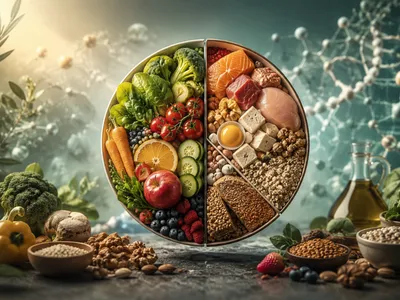
The Glycemic Index & Energy Modulation
Sustained energy release is fundamentally linked to the blood glucose response elicited by carbohydrates, a concept quantified by the glycemic index (GI). Low-GI foods, characterized by a slower rate of digestion, promote a gradual release of glucose into the bloodstream, thereby avoiding the rapid spikes and subsequent crashes associated with high-GI options. This modulation is critical for maintaining cognitive focus and physical stamina throughout the day.
Integrating low-GI carbohydrates at each meal establishes a stable energetic foundation. Choices such as whole oats, legumes, and most non-tropical fruits provide not only glucose but also essential dietary fiber, which further slows gastric emptying. The consistent energy supply from these foods helps regulate appetite hormones, reducing the likelihood of energy-draining, impulsive snacking on refined sugars.
The practical application of the GI is enhanced by considering the glycemic load (GL) of a meal and the mitigating effects of other macronutrients. Combining a carbohydrate source with healthy fats or protein significantly flattens the postprandial glucose curve. For instance, adding avocado to whole-grain toast or nuts to an apple creates a more complex, energy-sustaining nutritional matrix that supports metabolic equilibrium.
Selecting carbohydrates based on their glycemic impact is a cornerstone of dietary strategies for long-term vitality. The following table categorizes common foods to guide daily choices for stable energy provision.
| Food Item | Glycemic Index Category | Primary Fiber Source |
|---|---|---|
| Steel-cut Oats | Low | Beta-glucan |
| Quinoa | Low to Medium | Insoluble Fiber |
| White Bread | High | Refined, Low Fiber |
| Lentils | Low | Soluble and Insoluble |
| Watermelon | High | Low Density |
Strategic Protein Distribution
Emerging research moves beyond total daily protein intake to emphasize its temporal distribution across meals. A bolus consumption pattern, where the majority of protein is consumed in one sitting, is less efficient for muscle protein synthesis (MPS) compared to a evenly distributed pattern. The body's capacity to utilize amino acids for repair and synthesis is finite per meal, suggesting that moderate, regular provisioning optimizes anabolic potential.
Consuming 20-30 grams of high-quality protein per meal appears to sufficiently stimulate MPS in most adults, a threshold difficult to reach with a carbohydrate-heavy breakfast and lunch. This approach directly influences energy levels by preserving lean mass, which is metbolically active and foundational for a robust resting metabolic rate. Inadequate protein at a meal can lead to suboptimal neurotransmitter precursor availability, potentially affecting alertness.
Implementing this strategy requires deliberate meal planning to ensure each main meal contains a substantive protein source. This practice promotes sustained satiety through hormonal signaling, notably involving peptide YY and glucagon-like peptide-1, thereby preventing the energy dips associated with hunger. The metabolic cost of digesting protein, known as the thermic effect of food, also contributes marginally to daily energy expenditure.
To operationalize balanced protein distribution, consider incorporating the following sources throughout the day's meals:
- 🥣 Breakfast: Greek yogurt, eggs, or cottage cheese.
- 🥗 Lunch: Chicken breast, tofu, or canned tuna/salmon.
- 🍽️ Dinner: Lean beef, turkey, tempeh, or white fish.
- 🥜 Snacks: A handful of almonds, a protein shake, or edamame.
Hydration's Role in Metabolism
Water is the fundamental solvent for all biochemical reactions, with even marginal dehydration impairing enzymatic activity and substrate transport. Cellular hydration status directly influences metabolic rate, as the process of hydrolyzing adenosine triphosphate (ATP) for energy requires water molecules. A deficit can thus suppress the basal metabolic rate, leading to feelings of fatigue and lethargy that are mistaken for low energy availability.
Optimal fluid balance is crucial for thermoregulation during physical activity; the body's cooling mechanism through sweat prevents overheating, which preserves energy otherwise diverted to heat dissipation. Furthermore, adequate hydration maintains blood volume and viscosity, ensuring efficient delivery of oxygen and nutrients to working tissues. Cognitive function, intrinsically linked to perceived energy, is notably sensitive to cellular hydration levels, affecting concentration and mental clarity.
The phenomenon of chronic low-grade dehydration is prevalent and particularly detrimental, as the thirst mechanism becomes an unreliable indicator in many adults. This state forces the body into conservation mode, prioritizing vital functions at the expense of optional energetic processes. Consistent intake of water across the day, rather than bolus consumption, supports the hydrolysis of macronutrients and the electrolyte balance necessary for nerve transmission and muscle contraction. Beverages with diuretic properties, while contributing to fluid intake, may necessitate compensatory water consumption to maintain net positive hydration for metabolic efficiency.
Micronutrients That Support Cellular Energy Production
Vitamins and minerals function as essential cofactors and coenzymes in the pathways responsible for energy production. They do not provide caloric energy themselves but enable the extraction of energy from carbohydrates, fats, and proteins. A deficiency in any single micronutrient can create a metabolic bottleneck, analogous to a traffic jam, where substrates accumulate but the desired energetic output is diminished.
The B-complex vitamins are paramount in this regard, each playing a discrete role in mitochondrial energy metabolism. For instance, thiamine (B1) is critical for the decarboxylation of pyruvate, enabling its entry into the Krebs cycle. Riboflavin (B2) and niacin (B3) are central components of the electron transport chain, facilitating the ultimate production of ATP.
Minerals like magnesium and iron are indispensable for long-term energy. Magnesium acts as a cofactor for over 300 enzymatic reactions, including those governing ATP synthesis and utilization, while iron is the core component of hemoglobin for oxygen transport and cytochromes within the electron transport chain. Suboptimal intake can directly reduce aerobic capacity and the efficiency of cellular respiration, manifesting as persistent tiredness despite adequate sleep and macronutrient intake.
Beyond direct energy pathways, certain micronutrients combat oxidative stress generated as a byproduct of metabolism. Antioxidants such as vitamins C and E, and selenium, protect mitochondrial integrity from reactive oxygen species. This protective role supports mitochondrial biogenesis and function, ensuring the cellular power plants operate at peak capacity. The synergistic interplay of these nutrients underscores the importance of a diverse, whole-food diet to prevent subtle, energy-sapping deficiencies. The table below outlines key micronutrients involved in energy transduction.
| Micronutrient | Primary Role in Energy Metabolism | Exemplary Food Sources |
|---|---|---|
| B Vitamins (e.g., B1, B2, B3) | Coenzymes in glycolysis, Krebs cycle, and electron transport chain | Whole grains, legumes, lean meats, nuts |
| Magnesium | Cofactor for ATP synthesis enzymes; supports nerve/muscle function | Spinach, pumpkin seeds, almonds, black beans |
| Iron | Oxygen transport (hemoglobin); component of cytochromes | Red meat, lentils, spinach, fortified cereals |
| Coenzyme Q10 | Electron carrier in mitochondrial inner membrane | Organ meats, fatty fish, spinach, broccoli |