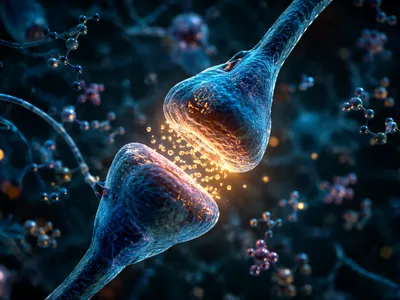
The Neurobiological Toll
The human brain responds to perceived threats by activating the hypothalamic-pituitary-adrenal (HPA) axis, a cascade that releases cortisol to mobilize energy. This acute stress response is adaptive, yet its prolonged activation fundamentally alters neural architecture. The very mechanism designed for survival can, under persistent duress, become a source of systemic wear and tear known as allostatic load.
Chronic stress selectively targets brain regions dense with glucocorticoid receptors, particularly the hippocampus, prefrontal cortex, and amygdala. The hippocampus, crucial for memory consolidation and contextualizing threats, exhibits reduced dendritic branching and suppressed neurogenesis under sustained cortisol exposure. Simultaneously, the amygdala may become hyperactive, heightening vigilance and fear responses, creating an imbalance in emotional regulation networks.
This neural remodelling is not merely a temporary fluctuation but involves structural changes observable through neuroimaging. Prolonged stress leads to dendritic retraction in the medial prefrontal cortex, impairing executive functions like decision-making and impulse control. Furthermore, the integrity of white matter tracts connecting these regions can degrade, disrupting the communication necessary for adaptive behaviour. The brain's plasticity, typically a source of resilience, is hijacked to reinforce maladaptive pathways, embedding the physiological memory of stress deep within its circuitry. This process exemplifies experience-dependent plasticity gone awry, where the environment sculpts a brain optimized for threat detection rather than cognitive flexibility.
To better visualize these differential impacts, the following table summarizes the primary effects on key brain structures involved in the stress response.
| Brain Region | Primary Function | Effect of Chronic Stress |
|---|---|---|
| Hippocampus | Memory, context processing | Atrophy, suppressed neurogenesis, impaired negative feedback on HPA axis |
| Prefrontal Cortex | Executive function, impulse control | Dendritic retraction, reduced volume, weakened top-down regulation of amygdala |
| Amygdala | Fear, emotional salience | Hyperactivity, increased dendritic arborization, enhanced fear conditioning |
The cumulative effect of these alterations is a brain caught in a persistent state of high alert. Cognitive resources are diverted toward survival, compromising the ability to learn from new experiences or to extinguish fearful memories, a hallmark of various affective disorders.
When Pressure Becomes Pathology
The transition from adaptive stress to maladaptive pathology is often marked by the failure of regulatory systems to return to baseline. This allostatic overload manifests not just in neural circuitry but in a constellation of psychological symptoms that meet the threshold for clinical diagnosis. The most common outcomes include major depressive disorder and generalized anxiety disorder, which share significant comorbidity and underlying neurobiological disturbances.
Emotional blunting and anhedonia represent core features of this pathological shift, where the ability to experience pleasure or motivation is severely diminished. These symptoms are linked to dysfunction in the brain's reward circuitry, particularly the nucleus accumbens and its dopaminergic input from the ventral tegmental area. Chronic stress alters dopamine signalling, reducing the anticipation and pursuit of naturally rewarding stimuli, trapping individuals in a state of apathy.
Beyond mood disorders, chronic stress acts as a potent transdiagnostic risk factor, exacerbating vulnerabilities for conditions like post-traumatic stress disorder (PTSD) and even psychotic disorders. In PTSD, the failure to extinguish fear memories is directly tied to the hippocampal and prefrontal deficits previously described. The individual becomes locked in a cycle of re-experiencing the traumatic event, with the body's stress systems continuously reactivated by reminders, preventing the natural process of recovery and embedding the trauma more deeply in somatic memory.
The pathophysiological mechanisms driving this pathology are complex and multifaceted. They involve not only neuroendocrine dysregulation but also significant alterations in immune function and metabolic processes. The following list outlines key pathological changes observed under conditions of chronic, unremitting stress.
-
HPA Axis DysregulationImpaired cortisol negative feedback, leading to either hypercortisolism or eventual burnout and hypocortisolism.
-
NeuroinflammationElevated pro-inflammatory cytokines (e.g., IL-6, TNF-α) that disrupt neurotransmitter metabolism and promote sickness behaviour.
-
Autonomic Nervous System ImbalancePersistent sympathetic hyperactivity coupled with reduced parasympathetic (vagal) tone, increasing cardiovascular strain.
-
Oxidative StressIncreased production of reactive oxygen species, causing cellular damage and accelerating brain aging.
This biological cascade helps explain the profound physical health comorbidities associated with chronic stress, such as cardiovascular disease and metabolic syndrome. The mind and body are not separate entities; the psychological experience of being overwhelmed translates directly into cellular and systemic wear, blurring the line between mental and physical illness. The concept of a unified mind-body system is essential for understanding the full clinical picture.
Importantly, the trajectory from pressure to pathology is not uniform. Genetic predispositions, epigenetic modifications from early-life adversity, and the availability of social support all modulate individual risk. The same objective stressor can lead to growth in one person and debilitation in another, highlighting the critical role of resilience factors that interact with these neurobiological systems.
The Mind-Body Connection in Overdrive
The physiological systems designed for short-term bursts of activity are pushed into overdrive when stress becomes chronic, creating a cascade of interconnected physical consequences. The cardiovascular system, for instance, endures repeated elevations in heart rate and bblood pressure, which over time can lead to endothelial damage and the acceleration of atherosclerotic processes. This constant state of high alert forces the heart to work harder, significantly increasing the long-term risk for hypertensive events.
The immune system tells a particularly complex story of dysregulation under chronic strain. While acute stress can temporarily enhance immune surveillance, prolonged exposure to stress hormones like cortisol suppresses certain aspects of immunity while simultaneously promoting systemic inflammation. This paradox leaves individuals more susceptible to infectious diseases yet also prone to the inflammatory underpinnings of autoimmune conditions, as the delicate balance of immune cell signalling is fundamentally disturbed.
Metabolic pathways are similarly disrupted, with chronic stress promoting the accumulation of visceral fat and increasing resistance to insulin. Cortisol encourages the storage of energy-rich fat, particularly in the abdominal region, as a preparation for future demands that never subside. When combined with stress-induced alterations in appetite-regulating hormones like ghrelin and leptin, this creates a perfect storm for the development of metabolic syndrome, linking psychological experience directly to endocrine and metabolic pathology.
The gastrointestinal system also bears a significant burden, often manifesting through conditions like irritable bowel syndrome and functional dyspepsia. The enteric nervous system, often called the "second brain," is richly innervated by the autonomic nervous system and highly sensitive to stress hormones. Changes in gut motility, intestinal permeability, and the composition of the gut microbiome are now understood as key mediators of the brain-gut axis under duress, demonstrating how psychological states can profoundly influence digestive health and visceral perception. The following table illustrates these diverse systemic effects in greater detail.
| Physiological System | Acute Stress Response | Chronic Stress Pathology |
|---|---|---|
| Cardiovascular | Increased heart rate, elevated blood pressure | Hypertension, endothelial dysfunction, atherosclerosis |
| Immune | Enhanced immune surveillance | Immunosuppression, chronic low-grade inflammation |
| Metabolic | Glucose mobilization, appetite suppression | Visceral fat accumulation, insulin resistance, metabolic syndrome |
| Gastrointestinal | Reduced digestion, altered motility | Increased permeability, dysbiosis, IBS symptoms |
These interconnected physiological disruptions highlight the profound truth that emotional experiences are not confined to the mind but are embodied, altering cellular function across multiple organ systems simultaneously.
Why Coping Mechanisms Can Fail
When faced with overwhelming demands, individuals naturally employ coping strategies, yet the very systems required for adaptive coping are often compromised by the neurobiological changes induced by chronic stress. The prefrontal cortex, essential for cognitive reappraisal and impulse control, experiences functional impairment precisely when it is most needed to regulate emotional responses and select effective strategies for managing adversity.
Maladaptive coping behaviours often emerge as default responses when more sophisticated regulatory capacities are depleted. Substance use, emotional eating, and social withdrawal provide immediate relief by activating reward pathways or reducing exposure to stressors, but they ultimately perpetuate the cycle of dysregulation. These behaviours offer temporary solace while undrmining long-term resilience, creating a dependency on external regulation rather than fostering internal capacity for managing distress.
The depletion hypothesis suggests that coping itself consumes cognitive and emotional resources, leading to a state of ego depletion where self-control becomes increasingly difficult to sustain. Repeated attempts to manage stress without adequate recovery gradually exhaust these limited resources, making individuals more vulnerable to impulsive reactions and less capable of engaging in effortful, adaptive coping. This resource model of self-regulation helps explain why coping efforts often collapse under prolonged strain.
Several interconnected factors contribute to the breakdown of effective coping mechanisms, each reinforcing the others in a downward spiral. The following list outlines these critical elements.
-
Cognitive RigidityChronic stress impairs cognitive flexibility, making it difficult to generate alternative solutions or adapt strategies to changing circumstances.
-
Social Support ErosionProlonged distress can strain relationships, leading to withdrawal from or conflict with the very support networks needed for buffering stress.
-
Avoidance ReinforcementTemporary relief from avoidance behaviours strengthens their future likelihood, creating a powerful negative reinforcement cycle that prevents engagement with actual stressors.
-
Physiological ExhaustionChronic activation leaves the body in a state of depleted resources, reducing the energy available for active, problem-focused coping efforts.
The failure of coping mechanisms is therefore not simply a matter of poor choices or inadequate skills, but reflects a complex interaction between neurobiological constraints, learned patterns, and the overwhelming nature of persistent adversity. Understanding this complexity is essential for developing interventions that address the underlying vulnerabilities rather than merely targeting surface behaviours.