What Drives Human Motivation?
Motivation represents the psychological forces that drive goal-directed behavior. It initiates, guides, and sustains human action over time.
Theoretical perspectives have evolved from basic drive-reduction models to complex cognitive frameworks. Early behaviorist approaches emphasized external reinforcements and punishments as primary drivers.
Contemporary research fundamentally distinguishes between intrinsic and extrinsic motivation. Intrinsic motivation emerges from inherent interest and internal satisfaction, whereas extrinsic motivation is fueled by separable outcomes. The self-determination theory posits that autonomy, competence, and relatedness are essential nutriments for intrinsic motivation. This distinction is critical for designing effective personal and organizational motivational strategies.
How Does the Brain Regulate Motivation and Effort?
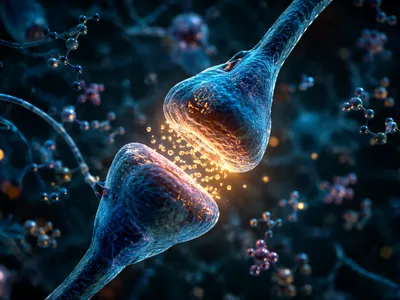
Neuroscientific research has identified specific brain circuits and neurochemical systems that govern motivational states. Core structures include the mesolimbic dopamine pathway, with the nucleus accumbens central to reward anticipation. The prefrontal cortex is crucial for executive control and goal-directed planning. The primary neuroanatomical substrates and their functional roles are summarized below.
| Brain Structure | Primary Motivational Function |
|---|---|
| Ventral Tegmental Area (VTA) | Dopamine production; initiates reward signaling |
| Nucleus Accumbens | Processes reward anticipation and salient stimuli |
| Prefrontal Cortex (PFC) | Goal selection, planning, and impulse inhibition |
| Anterior Cingulate Cortex (ACC) | Monitors effort, conflict, and cost-benefit analysis |
Dopamine’s function is more nuanced than signaling mere pleasure; it encodes a reward prediction error, facilitating reinforcement learning and adaptive goal pursuit. The anterior cingulate cortex continuously evaluates the effort required against potential rewards, while the amygdala attaches emotional significance. This integrated network perfrms a continuous neural calculus, weighing potential benefits against anticipated costs. Consequently, motivation is fundamentally a biological computation aimed at resource optimization and survival.
How Do Biases Disrupt Goal Pursuit?
Systematic cognitive biases frequently distort goal-related judgments. These biases operate unconsciously, leading to predictable errors in planning, effort estimation, and progress evaluation. Common distortions include the planning fallacy and optimism bias. Key biases and their impacts on motivation are detailed in the table.
| Cognitive Bias | Definition | Impact on Goal Pursuit |
|---|---|---|
| Planning Fallacy | Underestimating time and resources needed | Leads to missed deadlines and failure |
| Optimism Bias | Overestimating likelihood of positive outcomes | Can increase initial commitment but cause later setbacks |
| Present Bias | Overvaluing immediate rewards over future benefits | Undermines long-term goals via procrastination |
| Status Quo Bias | Preferring current state over change | Inhibits initiation of new goal-directed behaviors |
The planning fallacy, a subset of optimism bias, involves unrealistically optimistic predictions about task completion. It persists even with knowledge of past delays. Mitigation strategies include using reference class forecasting—basing predictions on aggregate data from similar past projects rather than singular optimistic scenarios. Present bias explains why immediate gratification often derails long-term plans, revealing a fundamental tennsion in self-regulation. Effective goal management requires recognizing and strategically counteracting these inherent psychological tendencies.
Why Does Feedback Matter for Sustained Motivation?
Effective feedback mechanisms are indispensable for regulating goal-directed behavior. Feedback provides critical information that closes the loop between intention and outcome, enabling adjustments. The cybernetic control theory models this as a continuous process of comparison between current state and goal state.
Research distinguishes between outcome feedback, which focuses on end results, and process feedback, which provides guidance on the methods and strategies employed. The former is essential for evaluating success, while the latter is crucial for skill acquisition and complex task mastery. Process feedback is particularly effective in maintaining motivation during challenging learning phases.
The timing and valence of feedback significantly influence its impact. Immediate feedback accelerates initial learning, whereas delayed feedback can enhance long-term retention and self-regulation. Positive feedback strengthens self-efficacy, but constructive negative feedback, when delivered appropriately, can be more valuable for improvement. A comparative analysis of feedback types and their optimal applications is presented below.
| Feedback Type | Primary Function | Optimal Use Case |
|---|---|---|
| Immediate Corrective | Prevents error entrenchment | Early skill acquisition, simple tasks |
| Delayed Summarive | Promotes self-assessment and recall | Complex problem-solving, long-term projects |
| Process-Oriented | Improves strategies and effort allocation | Complex learning, high-challenge tasks |
| Outcome-Oriented | Evaluates final performance against a standard | Performance evaluation, competitive settings |
The progress principle highlights that perceiving forward movement is a powerful motivational driver, often more so than the final achievement. This underscores the need for systems that make progress visible. Implementing effective feedback loops requires attention to both cognitive and emotional dimensions, ensuring information is perceived as supportive rather than controlling.
How Can Motivation Stay Strong Over Time?
Sustainable motivation is characterized by resilience in the face of obstacles and a capacity for self-renewal. It involves the strategic management of psychological resources and the structuring of one's environment. A primary strategy is habit formation, which automates goal-directed behaviors, reducing reliance on finite willpower. Implementation intentions (if-then plans) are a potent tool for linking specific situational cues to predetermined actions, thereby automating goal pursuit. The deliberate cultivation of a growth mindset—the belief that abilities can be developed—fosters resilience by framing setbacks as learning opportunities rather than failures. Psychological flexibility, the ability to adapt behavioral strategies in response to changing circumstances, is increasingly recognized as a cornerstone of sustained effort.