How Do Wearables Change Workplace Wellness?
The integration of wearable devices into corporate wellness programs represents a significant evolution in occupational health. Employees now voluntarily or involuntarily generate continuous streams of biometric data, transforming abstract well-being into quantifiable metrics.
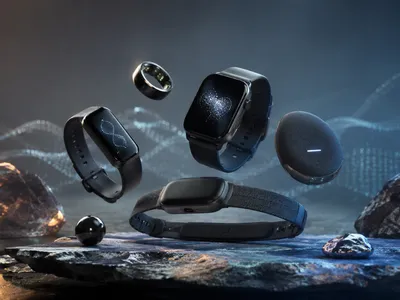
Modern wearables, ranging from smartwatches to rings and patches, capture physiological signals such as heart rate, sleep architecture, and electrodermal activity. This data provides a granular, longitudinal view of individual health that was previously unattainable in workplace settings.
The core premise of the quantified self at work is the translation of raw data into actionable insights. Algorithms analyze patterns to detect deviations from a user's baseline, potentially flagging early indicators of burnout or illness. This predictive capability allows for timely, personalized interventions, moving wellness from a reactive to a proactive discipline.
A growing body of organizational research examines how aggregated, anonymized wearable data can inform corporate health strategy. For instance, analyzing sleep trends across departments might reveal correlations with project deadlines, enabling management to adjust workflows. This shift toward data-driven human resources necessitates a careful balance between collective benefit and individual privacy, a tension that defines the current discourse on workplace surveillance and care. The ethical implementation of these tools hinges on transparency and the genuine empowerment of the employee, ensuring the quantified self serves the worker, not just the organization's metrics.
Boosting Physical Health and Activity
Wearable technology provides the infrastructure for sophisticated physical activity interventions within corporate settings. By passively monitoring movement, these devices circumvent the limitations of self-reported exercise, offering a more objective foundation for wellness incentives and gamification strategies.
Commonly tracked metrics include step counts, active minutes, floors climbed, and estimated calorie expenditure. More advanced sensors measure heart rate zones during activity, providing feedback on workout intensity and recovery. The pervasiveness of these metrics allows for the creation of friendly competition and shared goals among colleagues, fostering a culture of health.
The data generated from these programs is often linked to corporate wellness incentives, such as reduced health insurance premiums or contributions to health savings accounts. Employers view this as an investment in human capital, anticipating reductions in absenteeism and presenteeism. The challenge lies in designing programs that motivate without coercing, ensuring participation remains intrinsically driven.
Long-term studies suggest that sustained engagement with wearable-driven activity programs can lead to meaningful improvements in population health metrics. Reductions in average BMI, lower blood pressure readings, and improved cardiovascular fitness among participants are correlated with decreased healthcare utilization. This creates a potential return on investment for organizations, positioning wearables not merely as gadgets, but as strategic assets in workforce management.
Wearables and Physiological Stress Monitoring at Work
Beyond physical metrics, contemporary wearables increasingly focus on the autonomic nervous system, capturing physiological markers of stress. Sensors measuring heart rate variability, electrodermal activity, and skin temperature provide a window into the body's fight-or-flight response, often before the individual consciously perceives tension. This real-time stress detection capability opens new frontiers for workplace mental health support.
Heart rate variability, in particular, has emerged as a key metric for assessing recovery and resilience. Low HRV is associated with chronic stress and fatigue, while higher variability indicates a balanced, adaptable nervous system. Wearable algorithms translate these complex data points into simple readiness scores, guiding employees on when to push forward and when to prioritize rest.
Advanced analytics now enable the detection of stress patterns correlated with specific work activities, such as back-to-back virtual meetings or looming project deadlines. This granular feedback allows employees to identify personal triggrs and experiment with coping mechanisms. The integration of guided breathing exercises and mindfulness prompts, delivered directly through the device, offers immediate, in-the-moment interventions designed to down-regulate the stress response. The efficacy of these micro-interventions is a growing area of inquiry within occupational health psychology.
| Biomarker | Physiological Meaning | Workplace Relevance |
|---|---|---|
| Heart Rate Variability | Indicator of autonomic nervous system balance | Predicts recovery from cognitive load |
| Electrodermal Activity | Measures sweat gland activity, linked to arousal | Spikes during high-pressure tasks or conflicts |
| Skin Temperature | Peripheral perfusion changes during stress | Drops indicate vasoconstriction from acute stress |
The shift from merely tracking stress to predicting and preventing it represents a profound evolution. Researchers are exploring how longitudinal wearable data can identify employees at risk of burnout months before clinical symptoms manifest. This predictive capacity, however, raises important questions about the nature of consent and the potential for employers to pathologize normal fluctuations in mood and energy. The goal must be empowerment through awareness, not the creation of a panopticon of psychological surveillance.
The data generated by these devices can inform broader organizational interventions. If aggregated data reveals that a particular team consistently shows elevated stress markers, it may prompt a review of workflow, managerial style, or resource allocation. This moves wellness from an individual responsibility to a shared organizational priority, where environmental factors contributing to poor mental health are addressed systematically. The challenge lies in implementing such insights without stigmatizing teams or individuals.
Designing Effective Wellness Programs
Successful wearable-based wellness initiatives require more than technology deployment; they demand human-centric design that respects individual differences and cultivates genuine engagement. Programs imposing uniform activity targets often fail, whereas those offering personalized goal-setting based on baseline data demonstrate higher sustained participation rates.
Effective program architecture integrates three core components: meaningful incentives, educational scaffolding, and social connectivity. Incentives must extend beyond financial rewards to include recognition and intrinsic satisfaction. Educational components help employees interpret their data, transforming raw numbers into health literacy and self-efficacy. Social features, such as team challenges or anonymous peer support groups, leverage communal motivation while preserving individual privacy boundaries.
| Program Component | Design Objective | Measurable Outcome |
|---|---|---|
| Personalized Dashboards | Enhance data interpretability | Increased user engagement frequency |
| Tiered Incentive Structures | Reward consistent, incremental progress | Reduced dropout rates |
| Managerial Training | Equip leaders to support without surveilling | Higher team psychological safety |
The long-term effectiveness of these programs hinges on their capacity to evolve with participants. Static interventions lose relevance, while adaptive algorithms that adjust goals based on user progress maintain optimal challenge. Integrating periodic health coaching, either human or AI-mediated, can address motivational plateaus and prvide accountability. Furthermore, ensuring data portability allows employees to continue their wellness journey even if they leave the organization, reinforcing that the program's ultimate beneficiary is the individual, not the employer.
The most impactful wellness programs recognize wearables as tools within a larger ecosystem of support. They complement, rather than replace, traditional occupational health resources such as employee assistance programs and ergonomic assessments. When designed with ethical foresight and a commitment to employee agency, these programs can foster a workplace culture where well-being is collectively valued and actively cultivated.