Mining and the Transformation of Natural Landscapes
Mining operations, particularly surface mining techniques like mountaintop removal and open-pit excavation, initiate immediate and drastic landscape alterations. The sheer volume of material moved—including soil, rock, and vegetation—reshapes topography and removes entire ecosystems in a matter of months.
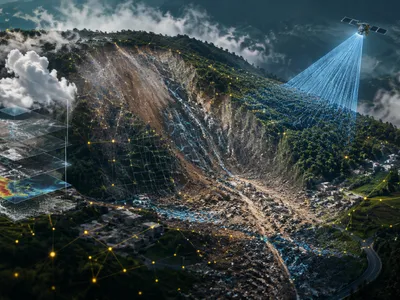
This process generates vast quantities of waste rock and tailings, which are often deposited in adjacent valleys or specifically constructed impoundments. These deposits bury existing soils and alter natural drainage patterns, creating a highly modified terrain that is prone to erosion and mass wasting events, making the science behind predicting landslides increasingly critical for regional safety.
The physical footprint extends beyond the immediate mine site. Related infrastructure, including access roads, processing facilities, and transportation networks, fragments surrounding habitats. This fragmentation disrupts wildlife corridors and creates barriers to animal movement, effectively isolating populations and reducing genetic diversity. The cumulative effect is a landscape fundamentally reconfigured from its natural state, with recovery times spanning centuries.
How Does Mining Pollute Water Systems?
The interaction between excavated materials and the hydrological cycle creates multiple pathways for water contamination. Precipitation, surface runoff, and groundwater flow all become vectors for transporting pollutants away from the mining complex.
A primary concern is the exposure of sulfide-bearing minerals, most commonly pyrite, to oxygen and water. This geochemical reaction generates sulfuric acid, a process known as acid mine drainage (AMD). AMD severely depresses the pH of receiving waters, which in turn mobilizes heavy metals like arsenic, lead, and cadmium from surrounding rocks, creating a toxic leachate.
| Contaminant Group | Primary Sources | Environmental Impact |
|---|---|---|
| Heavy Metals (e.g., Pb, Hg, Cd) | Ore and waste rock weathering | Bioaccumulation in food chains, toxicity to aquatic life |
| Sulfates & Acidity | Sulfide mineral oxidation (AMD) | Fish kills, mobilization of other metals |
| Process Chemicals | Ore processing (e.g., cyanide, mercury) | Acute toxicity to organisms, drinking water contamination |
| Total Suspended Solids | Erosion of disturbed land & tailings | Smothering of aquatic habitats, reduced light penetration |
Beyond chemical pollution, sedimentation from eroded mine sites physically degrades aquatic ecosystems. Increased turbidity from suspended solids reduces light penetration, harming aquatic plants and disrupting the feeding mechanisms of fish and invertebrates. This sediment can also clog spawning gravels and alter river channel morphology.
Furthermore, the use of processing chemicals like cyanide in gold extraction and mercury in artisanal mining introduces potent toxins directly into the environment. Spills or improper storage of these substances can lead to catastrophic, rapid-onset contamination events that devastate water quality for decades downstream, affecting both ecosystems and human communities reliant on these water sources.
Groundwater systems are equally vulnerable. The creation of open pits that extend below the water table can reverse groundwater flow gradients, drawing contaminated water from pit lakes back into surrounding aquifers. This groundwater rebound phenomenon can pollute subsurface water resources for extensive areas, making remediation exceptionally complex and costly.
How Air Quality Degrades Near Mining Sites?
Fugitive dust from blasting, excavation, and haul roads represents the most visible form of air pollution. This particulate matter (PM), especially the inhalable PM10 and fine PM2.5 fractions, can travel considerable distances, affecting visibility and ecosystem respiration.
Beyond dust, the combustion of fossil fuels in heavy machinery and ore processing releases a cocktail of gaseous pollutants. Emissions of sulfur dioxide (SO2) and nitrogen oxides (NOx) contribute to the formation of acid rain, which can damge vegetation and acidify water bodies far from the original source.
Ore processing itself can be a direct source of airborne toxins. Smelting operations, for instance, can volatilize heavy metals like arsenic and mercury, which then condense and settle onto surrounding landscapes. These metal particulates pose direct health risks to local communities through inhalation and can contaminate soils and water supplies through dry and wet deposition, creating a persistent environmental health hazard.
The Long-Term Battle with Acid Mine Drainage
Once initiated, acid mine drainage (AMD) is notoriously difficult to halt because it is driven by a self-perpetuating geochemical process. The exposure of new mineral surfaces continues as waste rock weathers and fractures, providing a continuous supply of reactants for generations.
The ecological legacy of AMD is starkly visible in receiving watersheds. Streams affected by AMD often exhibit a characteristic orange or red coloration due to the precipitation of iron hydroxides, a process that smothers the streambed and eliminates nearly all aquatic life. This chemical sterilization of habitats can persist for decades or even centuries after a mine has closed.
The following points summarize the key persistent challenges associated with managing acid mine drainage long after mining activities have ceased:
- Infinite Timescales: The oxidation of sulfides can continue for hundreds to thousands of years. Perpetual
- Treatment Costs: Active treatment (e.g., lime addition) requires continuous funding and maintenance in perpetuity.
- Groundwater Legacy: Contaminant plumes in groundwater are slow-moving and extremely difficult to remediate. Hidden
- Ecosystem Blindness: Even with treatment, full biological recovery of streams is rarely achieved.
Passive treatment systems, such as constructed wetlands and anoxic limestone drains, offer a more sustainable alternative to chemical treatment. These systems harness natural geochemical and biological processes to neutralize acidity and sequester metals. However, their effectiveness is limited by site-specific cnditions and they require large land areas, making them unsuitable for all but a fraction of abandoned mines.
The fundamental challenge with AMD is that it transforms a localized industrial problem into a regional, multi-generational environmental liability. The water pollution it causes disregards property boundaries, affecting downstream communities and ecosystems that had no part in the resource extraction, raising profound questions about intergenerational equity and corporate responsibility in mine closure planning.
Impacts on Biodiversity and Habitat
The direct removal of vegetation and topsoil eliminates entire biological communities instantly. Species with limited ranges or specialized habitat requirements, often endemic to mineral-rich areas, face the highest risk of local extinction when their niche is physically excavated.
Fragmentation creates isolated habitat patches that cannot support viable populations of wide-ranging species. The resulting habitat fragmentation disrupts predator-prey dynamics and forces wildlife into contact with human-dominated landscapes, frequently leading to conflict. Keystone species that engineer ecosystems, such as beavers or certain tree species, are particularly impactful when lost.
Beyond the immediate footprint, edge effects degrade the quality of remaining habitat. Increased light, wind, and temperature fluctuations penetrate forest fragments, altering microclimates and favoring invasive species over native flora. Noise and light pollution from active operations further deter sensitive fauna, effectively shrinking the usable habitat radius around a mine site far beyond its physical boundaries. Toxicological effects from accumulated heavy metals in tissues can lead to reproductive failure and population declines across trophic levels through biomagnification.
Can We Mitigate the Damage to Soil?
Soil is not merely inert dirt but a living, structured ecosystem that takes millennia to form. The principles of soil science can also inform efforts to restore damaged topsoil. Mining completely destroys this structure, leaving behind a sterile substrate of crushed rock or contaminated tailings that lacks the biological capacity to support life.
Physical compaction by heavy machinery creates a dense layer that resists root penetration and water infiltration. This, combined with the loss of organic matter and the soil microbiome, means that natural revegetation is extremely slow or impossible without intensive human intervention to rebuild fundamental soil horizons.
Remediation strategies focus on reconstructing a functional soil profile. This often involves regrading the land to reduce erosion, breaking up compacted layers, and incorporating organic amendments like compost or biochar to restore fertility and water-holding capacity. A critical step is the establishment of a vegetative cover, starting with hardy pioneer species that can tolerate poor conditions and begin the process of ecological succession. Phytoremediation, using plants to extract or stabilize metal contaminants, offers a long-term, low-cost approach for managing soil pollution, although it requires careful species selection and many growing seasons to achieve meaningful results. The ultimate goal is to recreate a self-sustaining ecosystem, but achieving this is a complex and costly endeavor that often falls short of restoring the original pre-mining biodiversity.
The most significant challenge in soil mitigation is the persistence of metal toxicity. High concentrations of metals like copper, zinc, or cadmium are toxic to most plants and soil microorganisms. This toxicity can be managed through chemical amendments that immobilize the metals, but this does not remove them from the environment. The development of metal-tolerant plant varieties and the use of microbial consortia to enhance nutrient cycling and reduce plant stress are promising avenues for improving restoration success on technogenically degraded substrates. Ultimately, preventing soil degradation through responsible mining practices and topsoil preservation remains far more effective than attempting to cure the damage after extraction has ceased.