The Brain's Decision Machinery
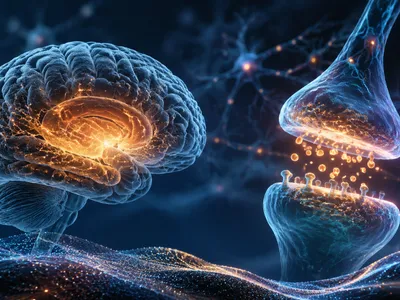
The neurobiological underpinnings of choice represent a complex interplay between prefrontal cortical regions and subcortical structures. Core decision-making processes are not localized to a single brain area but emerge from dynamic networks. Evaluative judgments involve the anterior cingulate cortex, which monitors conflict and potential outcomes, guiding behavioral adjustments.
Research indicates that the ventromedial prefrontal cortex is crucial for integrating emotional value with sensory information to form preferences. Damage to this region often leads to profoundly impaired personal and social decision-making, despite intact logical reasoning. Individuals may understand risk cognitively but fail to *feel* the consequences of their choices.
The interplay between fast, heuristic-based systems and slower, deliberative systems is fundamental. The limbic system, particularly the amygdala, can drive rapid, affect-laden choices, sometimes overriding more calculated prefrontal processes. This neural competition explains why willpower can be depleted; it is a metabolically costly, top-down control function. The brain constantly weighs potential rewards against effort and risk. Computational neuroscience models frame this as a problem of value maximization under uncertainty, with dopamine signaling encoding prediction errors that guide learning.
Key neural circuits involved in standard decision-making paradigms can be summarized as follows:
| Brain Region | Primary Function in Decision-Making | Associated Cognitive Process |
|---|---|---|
| Dorsolateral Prefrontal Cortex (DLPFC) | Working memory, rule maintenance, cognitive control | Deliberation, planning |
| Ventromedial Prefrontal Cortex (VMPFC) | Value integration, emotion-based valuation | Subjective preference formation |
| Anterior Cingulate Cortex (ACC) | Conflict monitoring, error detection | Performance adjustment, cost-benefit analysis |
| Striatum | Reward processing, habit formation | Learning from outcomes, reinforcement |
Emotional Alchemy of the Limbic System
Emotions are not mere subjective experiences but powerful neuromodulatory states that organize perception, attention, and behavior. The limbic system, a phylogenetically ancient network, serves as the primary architect of these states. Its interactions with the cortex determine whether a stimulus is approached or avoided, fundamentally shaping behavioral trajectories.
The amygdala acts as a central hub for threat detection and fear learning. Its activation triggers a cascade of physiological responses via the hypothalamus and brainstem, priming the body for action. Crucially, the amygdala can influence cortical processing before a conscious emotional feeling arises, demonstrating the primacy of affective circuitry. This pre-conscious appraisal system is vital for survival but can also underlie implicit biases and anxiety disorders.
In contrast, the nucleus accumbens within the ventral striatum is a core substrate for reward, motivation, and positive valence. Dopamine release in this region stamps in associations between actions and pleasurable outcomes, reinforcing behaviors. The delicate balance between amygdala-driven aversion and striatal-driven attraction is central to motivation.
The hippocampus provides emotional context by binding the affective quality of an experience to its time and place. This allows for the future modulation of behavior based on past emotional memories. Emotion is the brain's value-laden commentary on the world.
Limbic structures do not operate in isolation; they are densely connected to prefrontal regulatory centers. The ventromedial and orbitofrontal cortices receive rich limbic input, enabling the integration of gut feelings into higher-order planning. The anterior cingulate cortex uses emotional signals to flag errors and motivate behavioral change. This continuous dialogue ensures that emotions guide, but do not always dictate, final behavior.
The primary components of the emotional limbic network and their functions include:
- 😨 Amygdala: Rapid threat detection, fear conditioning, and emotional memory modulation.
- 🧠 Hippocampus: Contextual binding of emotional experiences, forming episodic memories with affective tone.
- ⚡ Hypothalamus: Autonomic and neuroendocrine output, translating emotional signals into physiological arousal (e.g., increased heart rate).
- 🎯 Ventral Striatum (Nucleus Accumbens): Processing reward, pleasure, and motivation, central to incentive salience.
- 💭 Anterior Cingulate Cortex (ACC): Affective component of pain, social rejection, and emotional conflict monitoring.
Neuroplasticity Rewriting Behavioral Code
The enduring notion of a static, hardwired adult brain has been decisively overturned by modern neuroscience. Neuroplasticity refers to the nervous system's intrinsic capacity to reorganize its structure, functions, and connections in response to experience, learning, or injury. This dynamic process operates at multiple scales, from molecular changes at individual synapses to large-scale cortical remapping.
At the synaptic level, Hebbian plasticity encapsulates the principle that neurons which fire together wire together. Repeated co-activation strengthens synaptic connections through mechanisms like long-term potentiation (LTP). Conversely, unused connections are pruned away, a form of competitive plasticity essential for efficient neural functioning. Experience directly sculpts the brain's physical architecture.
Learning a new skill, such as playing a musical instrument or mastering a language, induces measurable changes in relevant brain regions. For instance, gray matter density in the hippocampus increases with spatial navigation training, while the motor cortex representation for a violinist's fingering hand expands. This structural plasticity demonstrates that sustained mental activity physically alters the brain's substrate, embedding new behaviors into neural circuitry.
The following table contrasts key forms of neuroplasticity and their behavioral correlates:
| Type of Plasticity | Neural Mechanism | Behavioral Implication |
|---|---|---|
| Synaptic Plasticity | Strengthening (LTP) or weakening (LTD) of synaptic efficacy. | Forms the cellular basis for learning and memory formation. |
| Structural Plasticity | Growth or retraction of dendritic spines and axonal boutons. | Underlies long-term skill acquisition and habituation. |
| Cortical Reorganization | Adjacent brain areas encroaching on a functionally deprived zone. | Explains recovery of function after injury, like stroke rehabilitation. |
| Neurogenesis | Birth of new neurons, primarily in the hippocampal dentate gyrus. | Linked to pattern separation, mood regulation, and cognitive flexibility. |
Maladaptive plasticity also underlies various neurological and psychiatric conditions. Chronic pain syndromes can arise from the pathological strengthening of pain signaling pathways in the spinal cord and brain. In addiction, repeated drug exposure hijacks reward-related plasticity in the mesolimbic system, creating powerful, enduring cravings. These findings underscore plasticity's dual role as both a mechanism for growth and a potential source of pathology.
Harnessing plasticity for therapeutic intervention is a major frontier. Techniques like constraint-induced movement therapy force the use of an iimpaired limb, driving beneficial reorganization in the motor cortex. Cognitive-behavioral therapy for anxiety is believed to work, in part, by weakening fear-based amygdala circuits while strengthening prefrontal inhibitory control. The brain's malleability is the foundation for all behavioral change.
Can We Predict Human Actions?
The pursuit of predicting behavior from neural activity sits at the confluence of neuroscience, machine learning, and psychology. Advances in neuroimaging and electrophysiology have enabled researchers to decode mental states and even specific contents of thought from brain signals. This decoding relies on identifying consistent patterns of activity associated with particular stimuli, intentions, or decisions.
Predictive models often employ multivariate pattern analysis on functional MRI data or classifiers applied to EEG signals. For instance, activity in the visual cortex can be used to reconstruct viewed images, while prefrontal and parietal activity can indicate an impending motor choice seconds before conscious aawareness. The readiness potential measured over the motor cortex demonstrates that neural preparation for movement begins before the subjective intention to act.
However, prediction accuracy is context-dependent and faces fundamental limits. Neural signals are inherently noisy, and the same overt behavior can arise from slightly different neural processes. Furthermore, the brain is a dynamic, closed-loop system; the act of observation and prediction can itself alter the neural state. Perfect prediction may be theoretically impossible due to chaotic neural dynamics.
Current capabilities and limitations of neural prediction are summarized in the following comparison of methodologies:
| Method | Temporal Resolution | Prediction Target | Key Challenge |
|---|---|---|---|
| fMRI (MVPA) | Slow (seconds) | Perceptual content, cognitive states | Indirect hemodynamic signal, poor temporal precision |
| Electroencephalography (EEG) | Fast (milliseconds) | Motor intention, attentional shifts | Low spatial resolution, skull distortion |
| Intracranial Recordings | Very Fast | Detailed movement kinematics, memory recall | Invasive, limited to clinical populations |
| Functional Near-Infrared Spectroscopy (fNIRS) | Slow | Hemodynamic changes in naturalistic settings | Superficial penetration, signal-to-noise ratio |
Ethical considerations are immediate as predictive models improve. Applications in neuromarketing aim to forecast consumer preferences, while forensic interests explore the potential for risk assessment based on neural markers. The predictive power for complex, socially-situated decisions remains low, as these emerge from widely distributed, non-linear interactions across the entire brain.
The ultimate challenge lies in the context-dependence of neural representations. A pattern signifying "choice A" in a laboratory experiment may not generalize to a real-world scenario with different motivations and distractions. True prediction would require a complete, real-time model of an individual’s brain in its environment, a feat far beyond current science. We are predicting tendencies, not destinies.