How Does Neuroplasticity Transform the Brain?
Neural plasticity, or neuroplasticity, describes the inherent capacity of the brain to modify its structural and functional organization in response to experience. This fundamental property contradicts earlier static views of the adult brain.
It encompasses a spectrum of changes, from synaptic strength adjustments to large-scale cortical remapping. These dynamic processes are the primary biological substrate for learning, memory, and behavioral adaptation throughout the lifespan.
The concept is broadly divided into structural plasticity, involving physical changes to neurons and their connections, and functional plasticity, which refers to the modulation of synaptic efficacy and neural pathway usage. This duality allows the brain to optimize its circuitry for current environmental and behavioral demands.
Molecular and Cellular Mechanisms
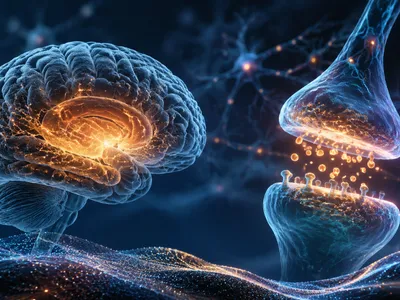
At the synaptic level, Hebbian plasticity is a core principle, where correlated pre- and postsynaptic activity strengthens connections. This is most famously observed in long-term potentiation (LTP) and long-term depression (LTD).
LTP involves the persistent enhancement of synaptic transmission, often mediated by NMDA receptor activation and subsequent AMPA receptor trafficking into the postsynaptic density. LTD represents the converse, a lasting weakening of synaptic efficacy.
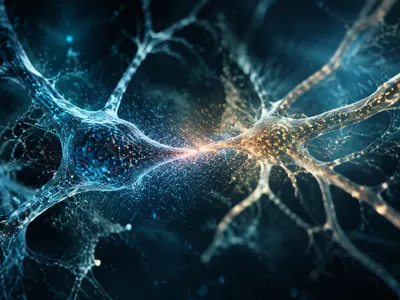
Beyond efficacy changes, structural plasticity involves the formation and elimination of synapses, the growth and retraction of dendritic spines, and even adult neurogenesis in specific regions like the hippocampus. These morphological changes provide a physical basis for long-term information storage.
These processes are governed by complex molecular cascades. Activity-dependent gene expression leads to the synthesis of proteins like Brain-Derived Neurotrophic Factor (BDNF), which promotes synaptic growth and stability. Intracellular signaling pathways, including CaMKII and MAPK, translate transient neural activity into lasting cellular alterations. The dynamic interplay between excitatory and inhibitory systems further maintains network stability during plastic changes.
The primary forms of synaptic plasticity are summarized in the following table, which distinguishes their triggers, mechanisms, and functional outcomes.
| Type | Primary Trigger | Key Molecular Mechanism | Net Effect |
|---|---|---|---|
| Long-Term Potentiation (LTP) | High-frequency, correlated activity | NMDA-R activation, AMPA-R insertion | Synaptic strengthening |
| Long-Term Depression (LTD) | Low-frequency, uncorrelated activity | NMDA-R or mGluR activation, AMPA-R internalization | Synaptic weakening |
| Homeostatic Plasticity | Chronic changes in network activity | Scaling of synaptic AMPA-R populations | Stabilization of neural firing rates |
Critical Periods and Lifelong Change
Classical studies identified critical periods as early developmental windows of heightened plasticity, essential for establishing core sensory and cognitive maps. Once closed, neural circuits were thought to become fixed.
Contemporary research reveals a more nuanced model where plasticity persists across the lifespan but undergoes transformative shifts in mechanism and capacity. The adult brain exhibits plasticity that is more selective, requiring stronger or more specific signals to engage.
The transition from critical period to adult plasticity is regulated by molecular brakes like myelin-associated inhibitors (e.g., Nogo-A) and perineuronal nets. These structures stabilize circuits but also reduce malleability. This shift balances the need for stability with the capacity for learning, ensuring established skills are not overwritten. The manipulation of these brakes, through pharmacological or experiential interventions, can reopen periods of enhanced plasticity in adulthood, offering therapeutic potential.
The Dark Side Maladaptive Plasticity
The brain's capacity for change is not universally beneficial. Maladaptive plasticity refers to reorganization that generates pathological function or sustains disease states, representing a failure of homeostatic regulation.
In chronic neuropathic pain, persistent nociceptive signaling can lead to central sensitization, where spinal and cortical pain pathways undergo lasting potentiation. This results in hyperalgesia and allodynia, where normal stimuli are perceived as painful. The original protective function of pain circuitry becomes a source of debilitating pathology.
Phantom limb pain offers a stark illustration, where cortical regions once processing input from the amputated limb are invaded by adjacent neural territories. This reorganization, while a testament to plasticity, often correlates with painful sensations perceived in the missing limb. Similarly, in tinnitus, hyperactivity and map reorganization in the auditory cortex create the perception of sound without an external source. These conditions demonstrate that plasticity, untethered from appropriate regulatory signals, can engender self-perpetuating disorders.
Harnessing Plasticity for Therapy
The understanding of plasticity mechanisms has directly inspired novel therapeutic paradigms aimed at guiding positive reorganization. This interventionist approach seeks to modulate neural circuits to restore function after injury or in neurological disease.
Constraint-Induced Movement Therapy (CIMT) for stroke recovery forces use of the affected limb, driving use-dependent plasticity in perilesional cortex. Paired with this, non-invasive brain stimulation techniques like transcranial magnetic stimulation (TMS) can modulate cortical excitability to prime networks for learning.
Cognitive training and neurofeedback leverage the principles of focused attention and reward to reshape specific brain networks, showing promise in conditions from ADHD to age-related cognitive decline. Pharmacological agents are being investigated as plasticity-enabling drugs to lower thresholds for change during rehabilitation.