The Symphony of Self
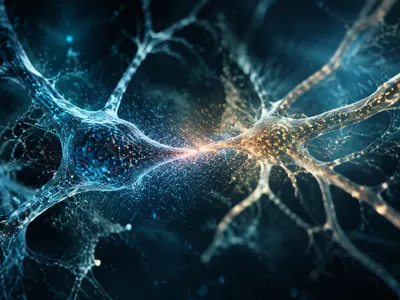
Neuroscience dismantles the antiquated notion of a singular, monolithic "self." Modern research reveals the self as an emergent property of dynamic neural networks in constant competition and collaboration. This paradigm shift from entity to process is fundamental for understanding human behavior. Regions like the default mode network underpin narrative self-reflection, while more primitive circuits drive instinctual impulses. Their interplay creates our conscious experience.
The anterior cingulate cortex acts as a crucial conflict monitor. It detects discrepancies between goals and actions, generating the subjective feeling of effort. This neurocognitive architecture explains why changing habits is inherently difficult. The brain often favors energy-efficient, automated pathways over cognitively expensive, novel ones.
The insula provides a cortical map of internal bodily states, a process known as interoception. This mapping forms the somatic foundation of emotional awareness. Disruptions in this system are implicated in conditions like anxiety and depersonalization disorder. Thus, the feeling of "being" is deeply rooted in the brain's reading of the body. Understanding this neural symphony allows for more precise interventions in mental health, moving beyond symptom management to core mechanistic disruption.
The implications extend to legal and philosophical conceptions of free will and responsibility. If the self is a distributed neural process, to what degree can an individual be held accountable for actions driven by dysfunctional circuitry? This question challenges foundational societal structures and necessitates a dialogue between neuroscience, ethics, and law, reframing accountability not as a binary concept but as a continuum influenced by neural capacity and environmental shaping.
Neurochemistry of Desire
At the core of motivation and addiction lies the brain's reward system, primarily mediated by dopaminergic pathways. Contrary to popular belief, dopamine signals not pleasure itself, but reward prediction error—the difference between expected and received reward. This sophisticated forecasting mechanism is crucial for learning and adaptive behavior.
Addictive substances and behaviors hijack this system by causing a massive, unnatural surge of dopamine, particularly in the nucleus accumbens. This flood teaches the brain that the stimulus is more valuable than it truly is, creating a powerful compulsive drive. Over time, chronic exposure leads to neuroadaptations: dopamine receptor downregulation, diminished prefrontal cortex control, and a sensitized stress response. The result is a brain prioritized for consumption, not contentment.
| Neurochemical | Primary Role in Reward | Dysregulation Implication |
|---|---|---|
| Dopamine | Motivation, Salience, "Wanting" | Anhedonia, Compulsivity (Addiction) |
| Opioids (Endorphins/Enkephalins) | Pleasure, "Liking," Pain Relief | Increased Pain Sensitivity, Dysphoria |
| Serotonin | Mood Regulation, Impulse Control | Impulsivity, Aggression, Depression |
| Cortisol | Stress Response | Enhanced Craving, Relapse Vulnerability |
The Malleable Mind
The revolutionary concept of neuroplasticity has dismantled the dogma of a static adult brain. It posits that the brain remains a dynamic organ, capable of structural and functional reorganization in response to experience throughout the lifespan.
This plasticity operates at multiple levels: synaptic strength modulation (Hebbian plasticity), cortical remapping following injury, and even adult neurogenesis in specific regions like the hippocampus. Activity-dependent plasticity is the fundamental mechanism by which learning is biologically embedded, strengthening frequently used neural pathways while pruning others. The brain's hardware is perpetually updatedd by its software.
Strategic interventions can harness this capacity. Cognitive training, mindfulness meditation, and complex motor skill acquisition have been shown to induce measurable changes in gray matter density and white matter integrity. For instance, longitudinal studies on London taxi drivers reveal expanded hippocampal volumes correlated with navigational expertise. Critically, plasticity is a double-edged sword; maladaptive patterns can also become entrenched, as seen in chronic pain syndromes or the cognitive biases in depression. Understanding these principles allows for the design of targeted cognitive rehabilitation and optimized learning protocols, shifting educational paradigms from information delivery to brain architecture sculpting.
- Synaptic Plasticity: Long-term potentiation (LTP) and depression (LTD) at the synapse, the basis of memory formation.
- Structural Plasticity: Formation and retraction of dendritic spines and axonal boutons, changing physical connectivity.
- Functional Reorganization: Adjacent cortical areas taking over functions after a lesion, e.g., after stroke.
- Neurogenesis: The birth of new neurons in the adult dentate gyrus, influenced by exercise and environmental enrichment.
The Social Synapse
Human connection is mediated by a "social synapse," a neural dialogue between brains. The mirror neuron system, while sometimes overhyped, provides a foundational mechanism for understanding actions and intentions of others.
It facilitates empathy and social learning. Beyond mirroring, a suite of specialized circuits enables theory of mind—the ability to attribute mental states to others. The temporoparietal junction and medial prefrontal cortex are central to this complex social cognition.
The digital age has fundamentally altered this neural social ecosystem. Social media engagement often exploits the same variable reward schedules as slot machines, driving compulsive use. The constant social comparisn and curated self-presentation can trigger chronic, low-grade stress responses and negatively impact adolescent self-esteem and identity formation. Online interaction lacks the rich, calibrating feedback of face-to-face contact. This deficit may impair the development of nuanced social brain networks, potentially contributing to the rise in loneliness and perceived social isolation, which are known neurological and physiological risk factors.
| Brain Region | Social Function | Dysfunction Implication |
|---|---|---|
| Superior Temporal Sulcus (STS) | Biological motion perception, gaze detection | Social cue blindness (e.g., in Autism Spectrum Disorders) |
| Anterior Insula & Anterior Cingulate Cortex | Empathy for pain, emotional contagion | Psychopathy, lack of empathy |
| Ventral Tegmental Area (VTA) | Social reward processing, bonding | Anhedonia, social withdrawal |
| Amygdala | Threat detection, trust assessment | Social anxiety, paranoia |
Oxytocin and vasopressin, key neuropeptides, modulate trust, ingroup bonding, and parental behaviors. Their effects are highly context-dependent, sometimes promoting parochial altruism. This neurobiological framework is essential for addressing modern societal challenges, from designing healthier digital environments to formulating policies that mitigate the neurological costs of social fragmentation and fostering community cohesion based on biological principles of connection.
The Well-Being Blueprint
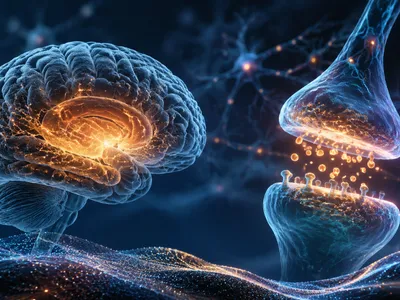
Neuroscience provides an empirical foundation for enhancing mental well-being, moving beyond anecdote to actionable brain-based strategies. Neuroplasticity and neurogenesis are not merely academic concepts but are directly influenced by daily behaviors and environmental factors.
Key lifestyle interventions have demonstrated measurable effects on brain structure and function. Regular aerobic exercise, for instance, upregulates brain-derived neurotrophic factor (BDNF), a protein critical for neuronal survival and synaptic plasticity. Similarly, nutritional psychiatry highlights the impact of micronutrients and gut microbiota on neuroinflammation and neurotransmitter synthesis. The brain is fundamentally a biological organ, nourished or neglected by our choices. Sleep, particularly slow-wave sleep, is now recognized as essential for metabolic clearance of neurotoxic waste products via the glymphatic system, directly impacting cognitive function and emotional regulation.
| Intervention | Neural Mechanism | Measurable Outcome |
|---|---|---|
| Aerobic Exercise | ↑BDNF, ↑Cerebral Blood Flow, ↑Hippocampal Volume | Enhanced Memory, Reduced Anxiety |
| Mindfulness Meditation | ↓Amygdala Reactivity, ↑Prefrontal Cortex Thickness, ↑DMN Regulation | Improved Emotional Regulation, Reduced Rumination |
| Omega-3 Supplementation | Modulation of Cell Membrane Fluidity, ↓Neuroinflammation | Support in Mood Disorders, Cognitive Maintenance |
| Consistent Sleep Hygiene | Glymphatic Clearance, Synaptic Homeostasis, Memory Consolidation | Improved Executive Function, Emotional Stability |
This knowledge shifts the paradigm of mental health from a purely medical model to a proactive, integrative one. It empowers individuals with the understanding that their daily routines—sleep, diet, movement, and mental training—actively sculpt their neural landscape, building resilience against stress and predisposition to psychiatric disorders. The challenge lies in translating this complex neurobiological data into accessible public health initiatives and personalized wellness protocols, bridging the gap between the laboratory and the living room.
Navigating a Neurotoxic World
The modern environment presents an unprecedented array of neurological challenges, from ambient stressors to exogenous chemicals. Chronic psychological stress, mediated by hypothalamic-pituitary-adrenal (HPA) axis dysregulation, exerts a toxic effect on the brain, particularly the hippocampus and prefrontal cortex.
Prolonged cortisol exposure impairs neurogenesis, promotes dendritic atrophy, and disrupts functional connectivity. This allostatic load accelerates brain aging and increases vulnerability to mood and cognitive disorders. Beyond stress, environmental neurotoxicants like fine particulate matter (PM2.5), heavy metals, and endocrine disruptors pose a silent threat, capable of crossing the blood-brain barrier and inducing neuroinflammation and oxidative stress. The brain's exquisite complexity renders it uniquely vulnerable to environmental insults. The epigenetic modifications induced by these exposures can even have transgenerational effects, altering neural development in offspring.
- Chronic Stress: Leads to hippocampal volume reduction, prefrontal cortex dysfunction, and amygdala hyperactivity, creating a vicious cycle of heightened threat perception and diminished regulatory capacity.
- Air Pollution (PM2.5): Associated with increased neuroinflammation, blood-brain barrier disruption, and elevated risk of neurodegenerative diseases like Alzheimer's.
- Digital Overload: Constant multitasking and notification-driven interruptions fragment attention, deplete cognitive resources, and may lead to lasting changes in attention circuits.
- Circadian Disruption: Irregular light exposure and sleep patterns dysregulate melatonin and cortisol rhythms, impairing glymphatic clearance and neuronal repair mechanisms.
Addressing these challenges requires a multi-scale approach, from public policy regulating pollutants and urban design that reduces stress, to individual neuroprotective strategies. It necessitates a new field of "preventive neurology" focused on identifying and mitigating these pervasive risks, safeguarding cognitive capital and mental well-being on a societal level. This perspective reframes brain health as a collective responsibility, inextricably linked to environmental and social determinants.
The Future Mind-Scape
Emerging neurotechnologies are poised to fundamentally transform human capability and medical practice. Brain-computer interfaces (BCIs) now enable paralyzed individuals to control robotic limbs and communicate via thought alone, translating neural signals into digital commands.
Concurrently, advanced neuroimaging and artificial intelligence are converging to create computational neurophenotypes, allowing for more precise diagnoses of psychiatric disorders by identifying distinct neural circuit dysfunction patterns rather than relying solely on symptomatic clusters.
The frontier of cognitive enhancement through non-invasive brain stimulation (e.g., tDCS, TMS) raises profound ethical questions about neuroprivacy, cognitive liberty, and the potential for a neuro-technological divide. Furthermore, the integration of AI with neural data not only promises personalized neuromodulation therapies but also necessitates rigorous frameworks to prevent misuse and protect the sanctity of our inner mental lives. This evolving landscape requires proactive, interdisciplinary governance to ensure these powerful tools augment human flourishing without compromising autonomy or exacerbating societal inequalities.
From Lab to Life
The ultimate measure of neuroscience's value is its successful translation into tangible societal benefit.
This translational imperative bridges the gap between mechanistic discovery and real-world application, demanding collaborative models that unite basic researchers, clinicians, educators, and policy-makers. In education, pedagogical strategies informed by neuroplasticity and attention research can revolutionize curriculum design and learning environmnts. In the workplace, understanding the neuroscience of stress, focus, and creativity can inform organizational practices that enhance productivity and employee well-being.
Neurolaw is emerging as a critical field, using neurobiological evidence to inform legal judgments on criminal responsibility, competency, and rehabilitation. Public policy, from urban planning to social welfare programs, can be optimized using neuroscientific insights into how environments shape brain development and social behavior. The challenge and opportunity lie in building robust, two-way pipelines where societal needs guide research agendas and scientific breakthroughs are rapidly and ethically disseminated to improve the human condition at scale.