How Does Modern Drug Discovery Work?
Modern drug discovery is a multi-stage, rigorous process that begins with target identification and validation. Researchers pinpoint specific molecules involved in a disease's pathology.
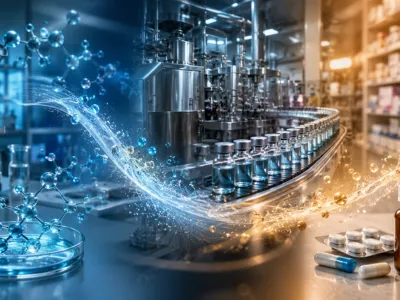
Following target validation, high-throughput screening assays rapidly test millions of compounds for biological activity. This phase leverages automated systems and combinatorial chemistry libraries.
Hit compounds are then optimized through medicinal chemistry to improve potency, selectivity, and pharmacokinetic properties. This creates a lead candidate suitable for preclinical development.
Pharmacology is indispensable here, evaluating absorption, distribution, metabolism, and excretion profiles early.
The transition from lead candidate to investigational new drug involves extensive in vivo toxicology and safety pharmacology studies, which are critical for determining a safe starting dose for human trials. This systematic pipeline de-risks development and is foundational for delivering novel therapies.
Understanding Pharmacodynamics and Pharmacokinetics
Pharmacology provides the essential framework for understanding how drugs interact with biological systems at a molecular level. This discipline dissects the principles of pharmacodynamics and pharmacokinetics.
Pharmacodynamics explains a drug's biochemical and physiolgical effects, including mechanisms like receptor agonism, enzyme inhibition, or ion channel modulation. The concept of receptor occupancy and signaling cascades is central to effect prediction.
Pharmacokinetics describes the body's impact on the drug—its journey from administration to elimination. Mastery of these principles allows clinicians to tailor regimens.
Precision Medicine and Personalized Dosing
Pharmacology enables the transition from one-size-fits-all medicine to tailored therapeutic strategies. This shift relies on understanding interindividual variability in drug response.
Genetic polymorphisms in drug-metabolizing enzymes like CYP450 isoforms significantly alter pharmacokinetics. Variants can create poor or ultrarapid metabolizer phenotypes.
Similarly, genetic differences in drug targets or transporters influence pharmacodynamics and toxicity risk. Pharmacogenomic testing guides preemptive dose adjustments.
Therapeutic drug monitoring complements genomics by measuring serum concentrations to individualize dosing for drugs with narrow therapeutic indices. This integration maximizes efficacy while minimizing adverse drug reactions.
Innovative Pharmacological Strategies Against Antibiotic Resistance
The rise of multidrug-resistant pathogens represents a critical global health threat, making pharmacological innovation urgent. Rational antibiotic design is now informed by detailed bacterial target structures.
Pharmacokinetic/pharmacodynamic principles are leveraged to optimize dosing regimens that suppress resistance development. Strategies include using higher doses or prolonged infusions to exceed the mutant prevention concentration.
Novel agents target resistance mechanisms themselves, such as β-lactamase inhibitors like avibactam, which restore the activity of existing antibiotics against resistant strains.
Pharmacology also drives the development of non-traditional antimicrobials, including bacteriophage therapy, antimicrobial peptides, and virulnce factor inhibitors, which apply distinct selective pressures. These multifaceted strategies are essential for preserving the efficacy of our antimicrobial arsenal.
Pharmacovigilance and Therapy Safety
The systematic science of pharmacovigilance is a critical pharmacological discipline dedicated to detecting, assessing, and preventing adverse drug reactions. It extends safety monitoring beyond controlled clinical trials into real-world population use.
Spontaneous reporting systems remain a cornerstone, but modern pharmacovigilance leverages data mining of electronic health records and insurance claims to identify safety signals. This big data approach allows for the detection of rare or long-term adverse events.
Pharmacological knowledge is essential for assessing the plausibility of these signals, differentiating between idiosyncratic reactions and dose-dependent toxicities. This analysis informs regulatory actions and updated prescribing guidelines. Proactive surveillance is fundamental for maintaining public trust in medicinal products.
Integrating Pharmacology with Technological Advancements
The evolution of pharmacology is inextricably linked to technological progress, which provides powerful new tools for discovery and application. Computational methods now dramatically accelerate early-stage research.
In silico modeling and artificial intelligence algorithms can predict drug-target interactions, optimize lead compounds, and model complex pharmacokinetic profiles, reducing reliance on serendipity and animal testing.
Advanced drug delivery systems, engineered through pharmacological principles, enhance therapeutic efficacy and patient compliance. Examples include nano-carriers for targeted tumor delivery and implantable devices for sustained hormone release. These systems solve longstnding challenges of bioavailability and site-specific action.
The integration of real-time biosensors and therapeutic monitoring creates closed-loop systems, such as in advanced insulin pumps, paving the way for adaptive, personalized therapy that responds dynamically to physiological changes. This synergy between pharmacology and technology is forging a new paradigm of intelligent therapeutics, where treatment is continuously optimized for each individual, moving beyond static dosing schedules to dynamic, responsive intervention that promises unprecedented levels of precision and control in patient care.