How Does Script Preserve Cultural Identity?
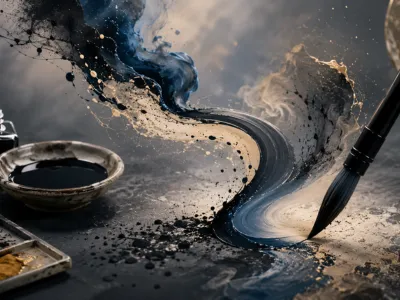
Writing systems are never neutral channels of language; they encode a culture’s history and aesthetic values. Orthographic identity develops through centuries of calligraphic refinement, where each stroke carries political and spiritual significance. In East Asia, the brush extended the scholar’s soul, while in the Islamic world, the written word elevated calligraphy to the highest art form. These traditions shaped collective memory and continue to define cultural boundaries today.
Contemporary artists examine script as a tool of resistance against cultural homogenization, reviving endangered scripts or subverting classical forms to assert visual sovereignty. The rise of hand-lettering and indigenous typeface design shows why hand lettering remains irresistible today, proving that script remains a powerful marker of belonging, blending heritage with digital needs. Cultural calligraphy thus becomes a living archive, balancing ancestral knowledge with modern expression.
Digital Ink and New Mediums
The migration of calligraphy into digital spaces has transformed how strokes are conceived, executed, and shared. Pressure-sensitive styluses and vector tools showcase how modern calligraphy techniques for digital media emulate the subtleties of natural media while offering unprecedented reproducibility. Motion graphics and projection mapping animate letterforms, turning them into performances that inhabit architectural spaces, with the screen becoming a new parchment responsive to touch, sound, and real-time data.
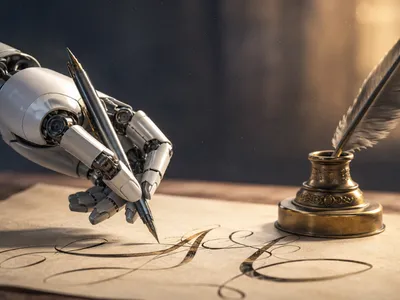
Generative algorithms move beyond simple replication, creating calligraphic systems that evolve with user interaction or environmental input. These computational brushes invite us to consider whether AI can replicate the art of hand calligraphy, challenging traditional authorship as artists code parameters rather than executing each stroke manually. The resulting works blur the lines between calligraphy, typography, and interactive art, expanding creative possibilities.
Virtual reality allows practitioners to practice brush techniques without material waste, while blockchain offers new ways of authenticating and collecting digital calligraphy. These innovations complement, rather than replace, tactile experience, merging embodied gesture with algorithmic processes. As digital ink gains recognition in galleries and commercial design, calligraphy extends beyond paper and silk, reshaping global visual language.
Hybrid Canvases
Calligraphy no longer resides solely on parchment or paper; contemporary practitioners embrace unexpected substrates such as textiles, glass, and even abandoned industrial structures. Material experimentation transforms the act of writing into a multisensory dialogue with urban and domestic spaces.
Artists now combine traditional ink with laser engraving, ceramic glazes, and recycled plastics, forging works that question the hierarchy of fine art and craft. These interdisciplinary approaches invite viewers to reconsider where and how script gains meaning.
The shift toward hybrid canvases also reflects a growing ecological awareness, as makers repurpose discarded materials and develop biodegradable inks. This convergence of ethics and aesthetics repositions calligraphy within sustainability discourses, linking the preservation of cultural techniques to broader environmental responsibilities. Studios dedicated to “slow calligraphy” have emerged, emphasizing material provenance and the longevity of crafted objects over mass production.
Major biennials now feature installations where calligraphic strokes are etched into concrete, woven into tapestries, or projected onto water screens, blurring the line between writing, architecture, and performance. Such works demand new modes of conservation, prompting institutions to develop protocols for preserving ephemeral or site-specific pieces. As the canvas expands beyond traditional boundaries, the calligrapher’s role evolves into that of a spatial designer, orchestrating how script interacts with light, texture, and viewer movement. The following examples illustrate the diversity of media currently employed in global calligraphic practice.
| Medium | Application | Cultural Reference |
|---|---|---|
| Reclaimed wood | Pyrography and ink layering | Japanese yakisugi aesthetics |
| Smart textiles | Thermochromic inks reacting to touch | Middle Eastern kilim patterns |
| Recycled circuit boards | Etching with conductive ink | Latin American urban calligraphy |
Beyond individual works, collaborative platforms now pair calligraphers with architects and fashion designers to create immersive environments where script is both surface and structure. These partnerships challenge the notion of calligraphy as a solitary discipline, positioning it instead as a collaborative language capable of enriching diverse fields.
- ⭐ Architectural facades with embedded ceramic calligraphy
- ⭐ Wearable art combining hand-stitched scripts with digital embroidery
- ⭐ Furniture design featuring inlaid mother-of-pearl inscriptions
Traditional Craft in the Age of Digital Typography
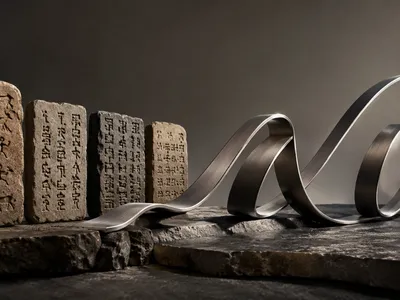
A key challenge in contemporary design is balancing the tacit knowledge of traditional calligraphy with the speed of digital production. Master calligraphers internalize brush pressure and rhythm over decades, while algorithms can mimic these effects almost instantly. The most effective outcomes arise from reciprocal workflows where digital tools complement manual skill, and parametric type design now incorporates gestural data captured from experienced practitioners.
Hybrid educational programs teach students foundational strokes with traditional tools before translating those movements into vector software using calibrated styluses. This ensures that digital output retains organic warmth while benefiting from scalability and editability. Graduates become adept at bridging heritage and innovation, producing work that resonates in both museum and commercial contexts.
Museums and design archives now acquire both physical calligraphy tools and digital counterparts, with exhibitions featuring side-by-side comparisons of ink rubbings and algorithmic outputs. Proprietary software replicates natural media effects like ink bleeds and brush splits while allowing infinite revisions, empowering designers to study traditional calligraphy styles inspiring modern typography and create calligraphic elements that feel both spontaneous and precisely controlled.
The following list outlines key resources that facilitate this bridge between centuries‑old techniques and modern design workflows.
- Open‑source brush engines with physics‑based simulation real‑time
- Variable font technology preserving calligraphic axis (weight, contrast, ductus) scalable
- VR calligraphy workshops that archive stroke data for algorithmic analysis archival
The Designer’s Role as Cultural Mediator
Designers working with non‑Latin scripts occupy a sensitive position between cultural authenticity and commercial application. Ethical engagement demands more than stylistic mimicry; it requires deep collaboration with communities who hold ancestral knowledge of these writing systems.
When designers approach calligraphic traditions as mere visual resources, they risk perpetuating extractive practices that divorce script from its cultural foundations. Authentic mediation involves shared authorship and equitable recognition.
Successful cross‑cultural projects often emerge from long‑term partnerships where designers act as facilitators rather than solo authors. These collaborations prioritise reciprocal learning, with calligraphers and communities guiding the adaptation of their heritage for new contexts while retaining control over symbolic meanings. Such processes challenge the conventional designer‑client hierarchy, replacing it with models of co‑creation that yield both commercial viability and cultural integrity.
The growing field of decolonial design critiques the historical extraction of calligraphic forms by Western studios, calling instead for frameworks that centre indigenous knowledge systems. This critical turn has reshaped international design education, with curricula now emphasising cultural competency, linguistic sensitivity, and the ethical implications of working across traditions. For the designer, becoming a cultural mediator means embracing accountability: acknowledging one’s own positionality, compensating traditional knowledge holders fairly, and ensuring that the final work does not inadvertently reinforce stereotypes or erase nuance. In an era of global branding and digital dissemination, this role is not optional but foundational to responsible creative practice.