Nature's Climate Shields
Urban centers worldwide are turning to green roofs and urban forests as dynamic thermal buffers. These systems create microclimates that directly combat the urban heat island effect.
A dense tree canopy can lower peak summer temperatures by up to five degrees Celsius through shading and evapotranspiration. This process is not merely aesthetic; it represents a critical biophysical cooling mechanism that reduces reliance on energy-intensive mechanical cooling.
The strategic placement of vegetation significantly alters surface energy balances in built environments. By absorbing solar radiation that would otherwise be stored in concrete and asphalt, living infrastructure provides a measurable shield against extreme heat events and thermal stress for vulnerable populations.
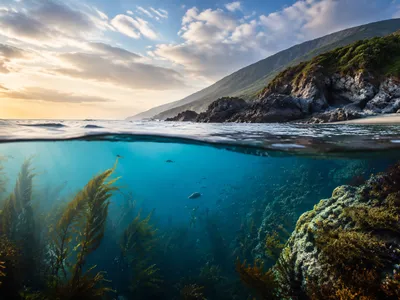
Coastal ecosystems including mangroves, salt marshes, and dune systems function as dynamic physical barriers that dissipate wave energy before it reaches shoreline developments. Implementing effective strategies for coastal ecosystem protection and maintaining these natural defenses is increasingly recognized as more cost-effective and adaptive than hardened grey infrastructure for long-term coastal resilience planning.
Absorbing Urban Floods
The conventional impervious surfaces of cities accelerate stormwater runoff, overwhelming drainage networks during intense precipitation events. Permeable pavements and infiltration trenches intercept rainfall at its source, allowing water to percolate into underlying soils.
Constructed wetlands and bioswales act as shallow, vegetated channels that slow and filter stormwater flows. During a peak rainfall event, these systems temporarily store water in surface depressions and engineered soil media, a process that substantially lags and reduces the flood peak downstream compared to piped conveyance.
Recent hydrological modeling demonstrates that distributed, nature-based solutions significantly outperform single-point interventions for flood mitigation. A portfolio approach combining green roofs, rain gardens, and detention basins across an urban watershed reduces flood volumes by retaining water near its point of impact, enhancing the overall adaptive capacity of the drainage basin.
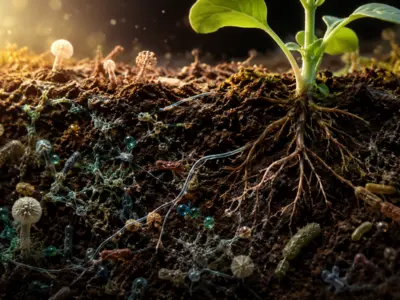
Soil structure serves as the foundational, yet often overlooked, component of stormwater retention systems. Healthy, uncompacted urban soils with high organic content can hold remarkable quantities of water, but their performance depends critically on rigorous protection from compaction during construction and long-term management. Engineered soil mixes designed to support both plant growth and high infiltration rates are now standard in bioretention cell design, achieving infiltration rates several times greater than those of native, degraded urban soils. The combination of deep-rooted native vegetation with these specialized substrates creates a subterranean reservoir that actively mimics the hydrologic function of undeveloped landscapes, significantly reducing the frequency and magnitude of combined sewer overflows in legacy cities.
The table below categorizes the dominant green infrastructure typologies for urban flood management based on their primary hydrological function.
| Typology | Primary Flood Mechanism | Scale of Application |
|---|---|---|
| Bioretention Basins | Detention and Infiltration | Site to Neighborhood |
| Vegetated Swales | Conveyance and Filtration | Street Corridor |
| Constructed Wetlands | Retention and Evapotranspiration | Watershed |
Biodiversity as Insurance
High species richness enables ecosystems to maintain function during stress. This response diversity means if one species fails, another can compensate.
The insurance effect of biodiversity is particularly evident in pollination and pest control services, highlighting the role of pollinators in food security across ecosystems. Diverse communities buffer against the collapse of any single population.
A monoculture plantation is highly vulnerable to a single pathogen, whereas a mixed-species forest possesses built-in redundancies. This functional redundancy is not wasteful duplication but a strategic asset that stabilizes ecosystem productivity under fluctuating climatic conditions. Such stability directly translates into reliable provisioning of ecosystem services for nearby communities.
Genetic diversity within species adds adaptive capacity against climate extremes. Populations with broad genetic bases exhibit wider physiological tolerances, enabling survival under unprecedented drought or heat. This standing genetic variation is the raw material for rapid adaptation, and its preservation within conservation networks is a critical component of climate resilience planning. Maintaining gene flow corridors across fragmented landscapes prevents genetic bottlenecks that make small populations vulnerable to environmental stochasticity.
The Economics of Ecosystem-Based Adaptation
Ecosystem-based adaptation strategies are gaining traction due to superior long-term returns. Traditional cost-benefit analyses often overlook the multiple co-benefits provided by green infrastructure.
These co-benefits include improved public health, enhanced property values, and recreational opportunities. Quantifying these non-market values is essential for accurate economic appraisals.
The following table compares capital and operational expenditures of selected nature-based interventions against their conventional grey counterparts. Cost ratios reflect ranges derived from recent global case studies.
| Intervention | Nature-Based Option | Engineered Alternative | Cost Ratio |
|---|---|---|---|
| Coastal Protection | Mangrove Restoration | Seawall Construction | 1:2 – 1:5 |
| Urban Flood Control | Bioswale Network | Underground Storage Tanks | 1:1.5 – 1:3 |
| Heat Mitigation | Urban Tree Canopy | Cool Pavements | 1:1.2 – 1:4 |
Beyond direct construction savings, nature-based solutions yield significant avoided damage costs during extreme events. For instance, restored wetlands absorb storm surges that would otherwise overwhelm coastal defenses, preventing billions in potential losses.
A full life-cycle economic assessment reveals that the initial cost advantage of green infrastructure is amplified over time as grey systems incur escalating maintenance costs. Steel and concrete degrade and need retrofits, while living systems self-renew and appreciate. Integrated valuation frameworks now incorporate ecosystem service streams over fifty-year horizons, consistently demonstrating benefit-to-cost ratios exceeding 4:1. The critical factor is applying appropriate discount rates that account for escalating climate damages and biodiversity collapse.
Overcoming Barriers to Green Infrastructure
Widespread adoption is hindered by institutional inertia and fragmented governance structures. Path dependency locks cities into conventional grey systems through established codes and procurement norms.
The following list outlines the most persistent obstacles identified in recent municipal surveys across North America and Europe.
- 🏛️ 🗺️ Fragmented jurisdiction over land, water, and infrastructure planning
- 🎓 🌱 Insufficient technical training among engineers in living systems design
- 🔧 ⚠️ Perceived maintenance uncertainty and long-term performance risk
- 💰 📈 Upfront cost barriers despite superior life-cycle returns
A growing body of implementation science points to intermediary organizations as crucial bridges between municipal agencies and community groups. These entities translate technical knowledge, secure funding, and build the long-term trust necessary for sustained stewardship of distributed green assets.
Innovative policy instruments are reshaping the financial landscape by converting avoided costs into investment capital. Environmental impact bonds and stormwater credit trading markets enable private investors to finance green infrastructure with returns tied to verified performance metrics. Shifting from grant dependency to performance-based investment unlocks scalable urban resilience and creates a durable economic logic that appeals to city treasurers and climate adaptation planners alike.