A Molecular Scissors Discovery
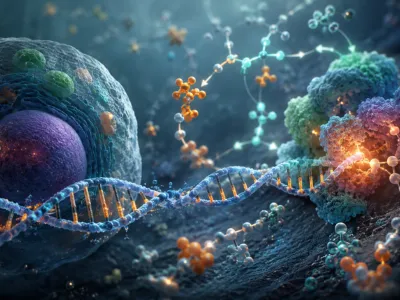
The narrative of CRISPR-Cas9 begins not in a biotechnology laboratory, but within the genomes of humble bacteria. Scientists investigating how these microbes fend off viral invaders uncovered a peculiar pattern of repeating DNA sequences, now known as Clustered Regularly Interspaced Short Palindromic Repeats. This adaptive immune system captures snippets of viral DNA to remember and destroy future threats.
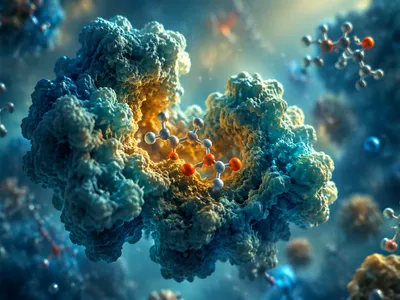
Central to this microbial defence is the Cas9 protein, a nuclease enzyme that acts as the precise molecular scissors. The system also relies on a small guide RNA molecule, which complexes with Cas9 to patrol the cellular environment. It is the specificity of this interaction that forms the core of the technology, allowing for targeted action at virtually any genomic location.
The groundbreaking revelation was that this bacterial system could be reprogrammed for use in eukaryotic cells. Researchers demonstrated that by simply redesigning the guide RNA, they could direct Cas9 to cut specific DNA sequences in human cells. This discovery, which earned a Nobel Prize, fundamentally transformed genetic engineering.
Before this innovation, modifying genes was a laborious and inefficient process, often taking years to achieve meaningful results. The elegance of CRISPR-Cas9 lies in its simplicity and adaptability, enabling scientists to target multiple genes simultaneously. This capability has opened up new avenues for understanding gene function and developing therapies for previously intractable genetic disorders, representing a paradigm shift across the life sciences.
How the Guide RNA Finds Its Target
The remarkable specificity of CRISPR-Cas9 is orchestrated by the guide RNA (gRNA), a synthetic fusion of two natural bacterial RNAs. The gRNA is designed to contain a 20-nucleotide sequence that is complementary to the target DNA region. This programmable feature allows researchers to customize the system for virtually any gene of interest with relative ease.
Once inside the nucleus, the Cas9-gRNA complex scans the genomic DNA, searching for a short, specific sequence adjacent to the target site known as the protospacer adjacent motif (PAM). The PAM sequence is essential for initiating recognition; without it, the Cas9 enzyme will not bind, even if the adjacent DNA matches the gRNA. This requirement acts as a critical safety checkpoint, preventing the system from attacking the bacterium's own CRISPR locus.
If the PAM is present, the complex begins to unwind the DNA and test its complementarity with the gRNA. This process involves a delicate interplay of thermodynamic forces; perfect or near-perfect matching stabilizes the interaction, while mismatches typically lead to rejection. This stringent proofreading mechanism helps minimize off-target effects, though it is not entirely infallible.
The initial binding event is highly dependent on the PAM sequence, which for the commonly used Streptococcus pyogenes Cas9 is "NGG," where 'N' represents any nucleotide. This interaction induces a conformational change in Cas9, effectively activating it for DNA cleavage. Understanding this precise mechanism has been crucial for engineering more specific Cas9 variants with altered PAM requirements, thereby expanding the range of targetable genomic loci.
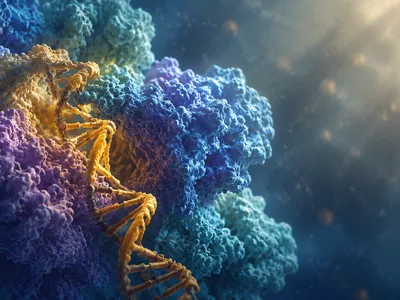
When the gRNA finds a perfect match with the target DNA adjacent to a valid PAM, it forms a stable RNA-DNA hybrid structure called an R-loop. This stable association triggers the nuclease domains of Cas9 to make a precise double-strand break in the DNA. The journey from a floating guide molecule to a cleaved piece of DNA is a testament to the co-evolved precision of bacterial immunity, a process that scientists now harness for genome eediting. The kinetics of this search and binding are influenced by the chromatin state and the accessibility of the target DNA, areas of active research to improve editing efficiency in complex eukaryotic genomes.
Recent structural studies have illuminated how the PAM-interacting domain of Cas9 scrutinizes the DNA for the correct motif. This initial recognition event is rapid and reversible, but upon PAM confirmation, the enzyme commits to a more thorough investigation of the adjacent sequence. This two-step verification system—first PAM, then complementarity—ensures a high degree of fidelity, distinguishing CRISPR-Cas9 from earlier, less precise gene-editing tools like zinc-finger nucleases.
Making the Precise Cut
Once the guide RNA secures a perfect match adjacent to a valid PAM, the Cas9 protein undergoes a critical conformational change. This structural rearrangement activates its two independent nuclease domains, positioning them to cleave the opposing strands of the DNA double helix. The result is a clean double-strand break approximately three nucleotides upstream of the PAM sequence.
The HNH domain cleaves the complementary DNA strand that is base-paired with the guide RNA, while the RuvC domain cuts the non-complementary strand. This coordinated action generates a blunt end double-strand break, a type of DNA damage that cells perceive as highly toxic. The efficiency of this cutting mechanism is remarkably high, often exceeding 80% at the intended target site in experimental systems.
The following table summarizes the key structural components of the Cas9 protein and their specific roles during the cleavage process. Understanding these domains has been instrumental in engineering modified Cas9 variants, such as nickases and catalytically dead dCas9, which serve entirely different purposes in genomic research.
| Domain | Location | Primary Function |
|---|---|---|
| Recognition (REC) Lobe | N-terminal | Binds guide RNA and facilitates target DNA recognition |
| HNH Nuclease Domain | Middle region | Cleaves the target DNA strand complementary to the gRNA |
| RuvC Nuclease Domain | Split into three subdomains | Cleaves the non-complementary DNA strand |
| PAM-Interacting (PI) Domain | C-terminal | Recognizes and validates the PAM sequence |
The creation of a double-strand break is merely the beginning of the editing process; the cell's own DNA repair machinery determines the final genetic outcome. These repair pathways can be harnessed to achieve either gene disruption or precise sequence correction. The balance between these pathways is influenced by the cell cycle phase and the availability of repair templates.
After cleavage, the Cas9 protein can remain bound to the DNA ends for several hours, a phenomenon that may influence repair pathway choice. This prolonged binding protects the broken ends from immediate degradation but can also hinder the access of repair factors. Recent research focuses on understanding these post-cleavage dynamics to improve editing outcomes, particularly for therapeutic applications requiring high precision. Controlling repair pathway selection remains a major goal in the field of genome engineering.
The cellular response to a CRISPR-induced break typically proceeds through one of two major pathways, each with distinct requirements and outcomes. These pathways are summarized below, highlighting their key features and applications in genetic research.
- Non-Homologous End Joining (NHEJ) Error-Prone
- Homology-Directed Repair (HDR) Precise
- Microhomology-Mediated End Joining (MMEJ) Alternative
- Single-Strand Annealing (SSA) Rare
Advanced CRISPR Technologies for Precise Genome Editing
The error-prone non-homologous end joining (NHEJ) pathway is active throughout the cell cycle and simply relegates the broken DNA ends. This process frequently introduces small insertions or deletions, known as indels, which can disrupt the open reading frame of a gene. Researchers routinely exploit this mechanism to create gene knockouts and study gene function in model organisms.
In contrast, the homology-directed repair (HDR) pathway operates primarily during the S and G2 phases of the cell cycle, using a sister chromatid as a repair template. By supplying an exogenous donor DNA template containing desired sequence modifications, scientists can co-opt this pathway to introduce precise edits. This method enables the correction of disease-causing mutations or the insertion of reporter genes at specific genomic loci.
The efficiency of HDR is often low compared to NHEJ, particularly in non-dividing cells, posing a significant challenge for therapeutic applications. Strategies to favor HDR include synchronizing the cell cycle, chemically inhibiting NHEJ factors, or modifying the repair tmplate chemistry. Recent advances have explored tethering donor templates directly to Cas9 to increase local concentration at the cut site, improving editing rates.
Beyond these classical pathways, alternative editing strategies have been developed that bypass double-strand breaks entirely. Base editing, for instance, uses catalytically impaired Cas9 fused to deaminase enzymes to directly convert one DNA base to another without inducing a break. This approach offers safer editing in post-mitotic cells and reduces the risk of unintended large deletions or rearrangements.
The following list outlines the key technological innovations that have expanded the CRISPR toolkit beyond simple cutting and repair. Each approach addresses specific limitations of traditional editing and opens new possibilities for research and therapy.
- 🧬 Base Editing: Direct, irreversible conversion of one target DNA base pair into another (e.g., C•G to T•A) without requiring a double-strand break or donor template.
- ✏️ Prime Editing: Uses a Cas9 nickase fused to a reverse transcriptase, guided by a prime editing guide RNA (pegRNA) to directly write new genetic information into the genome.
- 🔇 CRISPR Interference (CRISPRi): Utilizes catalytically dead dCas9 fused to repressor domains to silence gene expression without altering the underlying DNA sequence.
- 📢 CRISPR Activation (CRISPRa): Similar to CRISPRi but uses activator domains to enhance transcription of endogenous genes.
- 🧪 Epigenome Editing: Fuses dCas9 to epigenetic modifiers (e.g., histone acetyltransferases or DNA methyltransferases) to alter chromatin state and gene expression heritably.
These advanced platforms demonstrate the remarkable flexibility of the CRISPR architecture, transforming it from a simple nuclease into a programmable platform for diverse genomic manipulations. Prime editing, in particular, has garnered attention for its ability to make all 12 possible single-nucleotide substitutions and small insertions or deletions without requiring double-strand breaks. The continuous evolution of these tools promises to overcome current barriers to safe and effective gene therapy, bringing precision medicine closer to clinical reality for a wide range of genetic disorders.
Current Applications and Ethical Considerations
The programmable nature of CRISPR-Cas9 has catalysed a revolution across biomedical research, agriculture, and basic science. Its applications now span from functional genomics screens to the development of novel therapeutics for previously untreatable monogenic disorders. The technology's accessibility and versatility have democratized gene editing, enabling laboratories worldwide to explore genetic questions with unprecedented precision.
In fundamental research, CRISPR enables high-throughput genetic screens that systematically interrogate gene function across the entire genome. Scientists can now identify genes involved in drug resistance, viral infection, or cancer metastasis by creating pooled knockout libraries and applying selective pressures. This approach has accelerated the discovery of novel drug targets and deepened understanding of complex biological pathways.
The clinical translation of CRISPR technologies has advanced rapidly, with numerous trials demonstrating safety and efficacy in patients. The following table summarizes key therapeutic applications that have reached human trials, highlighting the diversity of conditions being targeted and the strategies employed.
| Disease Area | Target Cell Type | Editing Strategy | Clinical Phase |
|---|---|---|---|
| Sickle Cell Disease | Hematopoietic stem cells | BCL11A enhancer disruption to reactivate fetal hemoglobin | Phase III |
| Transfusion-Dependent β-Thalassemia | Hematopoietic stem cells | BCL11A enhancer disruption | Phase III |
| Leber Congenital Amaurosis | Retinal cells (in vivo) | Direct correction of CEP290 mutation via subretinal injection | Phase I/II |
| Hereditary Transthyretin Amyloidosis | Hepatocytes (in vivo) | Lipid nanoparticle delivery of Cas9 mRNA and gRNA to knock out TTR gene | Phase I |
| HIV-1 Infection | CD4+ T cells | Disruption of CCR5 co-receptor to confer HIV resistance | Phase I |
Beyond therapeutic applications, CRISPR is reshaping agriculture through the development of crops with enhanced nutritional profiles, improved yields, and resistance to pests and environmental stress. Regulatory frameworks in many countries now distinguish between transgenic organisms and those containing small edits that could arise naturally, accelerating the path to market for edited crops. Similarly, industrial biotechnology leverages CRISPR to engineer microbial strains for sustainable production of biofuels, bioplastics, and pharmaceutical precursors.
The rapid expansion of CRISPR capabilities has, however, intensified ethical debates surrounding its use, particularly concerning germline editing. The controversial birth of gene-edited twins in 2018 prompted international calls for a moratorium on heritable human genome editing, highlighting the inadequacy of existing governance structures. Key concerns include the potential for unintended off-target effects, the challenge of mosaicism, and the profound implications for future generations who cannot consent to modifications.
A broader ethical framework must address issues of equitable access, environmental release, and the distinction between therapeutic and enhancement applications. The scientific community continues to grapple with questions of whether somatic versus germline applications should be governed by different standards and how to ensure inclusive global dialogue. Professional societies and international bodies are working toward consensus guidelines that balance innovation with responsible stewardship, recognizing that the technology's power demands commensurate ethical scrutiny.