Muscle Memory and the Body’s Lasting Adaptations
Popular discourse often equates muscle memory with the automaticity of a cyclist’s pedal stroke or a pianist’s finger placement. While these neural adaptations are critical, they represent only one facet of a more profound biological phenomenon. The scientific definition extends beyond the central nervous system to encompass structural and metabolic changes retained within the muscle tissue itself.
This distinction matters because it reframes how we understand retraining after injury or prolonged inactivity. Neuromuscular efficiency can decline relatively quickly, yet the cellular architecture forged through prior training endures. Such persistence suggests that the body does not simply “remember” movements; it physically retains the capacity to rebuild.
A deeper exploration reveals two interwoven layers of retention. The first involves refined neural pathways that optimize motor unit recruitment and coordination. The second, more recently illuminated, centers on the permanent addition of myonuclei within muscle fibers—a structural adaptation that outlasts the temporary loss of protein volume. Together, these layers form the complete picture of why prior training confers a lasting advantage.
Cellular Architects: The Myonuclei Theory
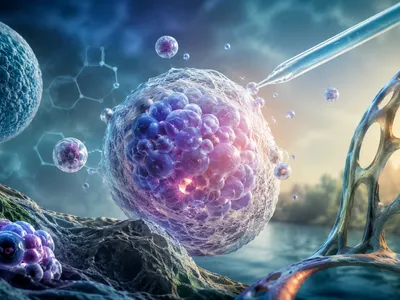
Skeletal muscle fibers are multinucleated, and resistance training promotes the addition of new nuclei from satellite cells, which act as transcriptional centers supporting increased protein synthesis and hypertrophy. Notably, these myonuclei are not lost during subsequent atrophy, meaning that even when muscle size decreases, the added nuclei remain, forming the basis of what is known as myonuclear memory and enabling faster muscle regrowth when training resumes.
Lineage-tracing studies confirm that satellite-cell-derived myonuclei persist through repeated cycles of atrophy and retraining, allowing muscles to bypass early delays in protein synthesis due to pre-established transcriptional capacity. This cellular head start accelerates recovery and rehabilitation, while epigenetic modifications within these retained nuclei further support long-term metabolic adaptations, reinforcing that training history leaves a lasting cellular footprint.
Neural Adaptations Behind Lasting Muscle Memory
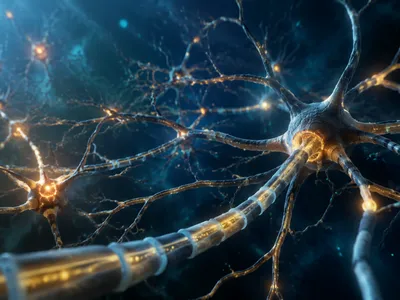
Repeated strength training induces measurable adaptations in the central nervous system that precede any visible increase in muscle size. The primary motor cortex and spinal cord circuitry become more efficient at activating high-threshold motor units, a phenomenon known as neural drive optimization.
This refinement reduces the energy cost of producing force and allows for more precise coordination between agonist, antagonist, and synergist muscles. Studies using transcranial magnetic stimulation have confirmed that trained individuals exhibit higher corticospinal excitability and shorter cortical silent periods, enabling rapid, forceful contractions with less conscious effort.
The durability of these neural adaptations is striking. Even after long detraining periods, the central motor patterns established during initial learning are rapidly reinstated upon resumption of training. This explains why experienced lifters often regain strength disproportionately faster than they regain muscle cross-sectional area. The pre‑wired neural architecture provides a blueprint that merely awaits the muscular reinforcement to manifest full performance capacity.
Key neuroplastic changes that underpin this accelerated recovery include:
- Increased motor unit synchronization and rate coding efficiency
- Enhanced reciprocal inhibition, reducing antagonist co‑contraction
- Expanded cortical representation of trained muscle groups
- Greater spinal reflex potentiation through Ia afferent pathways
Metabolic Memory and Epigenetic Adaptations in Muscle
Beyond structural and neural adaptations, muscle retains a metabolic imprint of prior training through epigenetic modifications, including persistent DNA methylation and histone acetylation patterns. These changes regulate genes linked to mitochondrial biogenesis, glucose transport, and oxidative metabolism, enabling a faster transcriptional response upon retraining as chromatin remodeling increases gene accessibility.
This metabolic memory is supported by experimental models showing sustained mitochondrial adaptations and altered gene regulation after exercise cessation. In humans, muscle biopsies indicate that prior training establishes an enduring epigenetic landscape, promoting efficient energy production and insulin sensitivity, and reducing the time required to restore metabolic balance during retraining.
Reclaiming Lost Ground: Why Retraining is Faster
Individuals who resume training after a prolonged layoff often experience strength gains in weeks that originally took months. This accelerated return is not merely psychological; it emerges from durable biological alterations that persist despite apparent detraining.
The myonuclear endowment acquired during prior hypertrophy remains intact, providing a permanent boost to translational capacity. Concurrently, refined neural circuitry enables near‑immediate recruitment of high‑threshold motor units, bypassing the typical learning phase.
Longitudinal studies tracking athletes after forced inactivity reveal that the initial phase of retraining produces disproportionately rapid improvements in force output before any significant increase in muscle cross‑sectional area. This phenomenon underscores the primacy of retained neural and cellular architecture. The table below summarizes the key mechanisms that distinguish retraining from naive training, highlighting why the second encounter with a stimulus is fundamentally different from the first.
| Mechanism | Initial Training | Retraining Phase |
|---|---|---|
| Myonuclear density | Gradual addition via satellite cell activation | Pre‑existing elevated density, immediate anabolic response |
| Neural drive | Requires weeks to optimize motor unit recruitment | Rapid reinstatement of prior recruitment patterns |
| Epigenetic landscape | De novo methylation changes with consistent training | Primed chromatin configuration accelerates gene transcription |
| Strength regain timeline | Linear progression over months | Exponential early gains, reaching plateau sooner |
Practical Wisdom: Applying the Science of Retention
Understanding muscle memory has direct implications for designing training after a break. In the initial weeks, the focus should be on movement quality and neuromuscular activation rather than sheer volume. Prioritizing neural reactivation before heavy loading helps re‑establish central motor patterns, which tend to diminish faster than the underlying cellular structures.
Training strategies that leverage retained myonuclei involve using moderate loads with faster repetitions to enhance rate of force development. These methods can recover lost strength in roughly half the original time. Additionally, for those returning from injury or long periods of detraining, the persistence of metabolic memory enables a smoother progression to higher intensities, as long as tissue integrity is maintained.
Below are evidence‑informed recommendations derived from the cellular and neural principles discussed.
- Phase 1 (weeks 1–2): Focus on low‑volume, high‑quality movement to re‑establish motor control and cortical representation.
- Phase 2 (weeks 3–5): Introduce moderate loads (60–75% 1RM) with explosive intent to leverage retained neural drive.
- Phase 3 (weeks 6+): Progress volume and intensity more rapidly than in initial training, utilizing the sustained myonuclear advantage.
- Monitor recovery: Because structural re‑adaptation outpaces connective tissue remodeling, prioritize soft tissue readiness to prevent overuse.