Enduring Materials
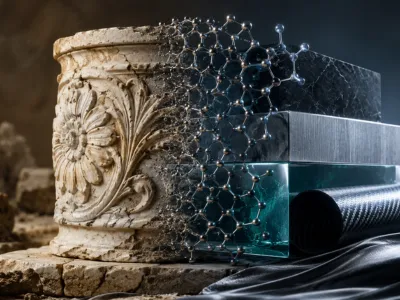
Natural materials like kiln-dried oak, wrought iron, and marble have an inherent ability to record the passage of time through their surfaces. Material integrity allows a craft object to endure decades of use while developing a unique patina of authenticity, and the chemistry of natural aging becomes an integral part of its character, fostering a bond with the user.
Recent research highlights that selecting materials for their resilience and capacity for graceful transformation enhances an artifact’s sense of timelessness. By prioritizing such materials, makers embed a promise of continuity into the work itself, ensuring that every mark or color change adds value rather than diminishing it.
The Silent Dialogue Between Maker and Material
This dialogical relationship transcends technical skill, entering a realm where the maker listens to the material’s inherent limitations and possibilities.
Reciprocal adaptation defines this exchange: the craftsman refines his approach while the material reveals its optimal form, a synergy that yields objects feeling inevitable rather than imposed.
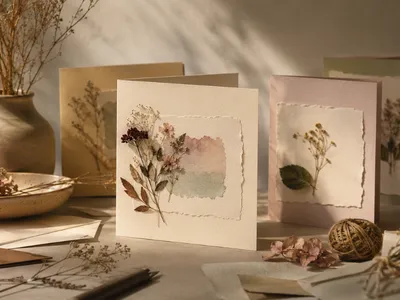
Ethnographic studies of master artisans reveal that this silent conversation is structured around key principles, much like the creative processes explored in the quiet joy of handmade greeting cards. The following elements consistently emerge as foundational to achieving a work that feels both contemporary and enduring.
- Respect for grain and structure – aligning technique with the material’s natural orientation
- Patience in curing and seasoning – allowing the material to reach equilibrium before shaping
- Interpretive restraint – knowing when to cease intervention and let the material speak
When a maker successfully internalizes this dialogue, the resulting work exhibits a coherence that transcends stylistic trends. Object permanence in the cultural sense emerges not from mere durability but from the palpable sense that the piece could not have been made any other way.
Mastery Over Time
Tacit knowledge built over many years turns technical ability into intuitive judgment, something that cannot be fully documented. Through generational transfer, refined techniques are passed down, preserving not only methods but also a sense of balance and discipline. This embodied expertise appears effortless in practice, yet it reflects countless hours of repetition, where each movement is shaped by experience and stored within muscle memory.
Key dimensions of mastery that contribute to timeless work include:
- Material intuition – anticipating how a substance will behave over decades
- Structural honesty – allowing construction to be legible without ornament
- Virtuosity without ego – prioritizing the object’s coherence over display of skill
A Living Tradition, Not a Museum Piece
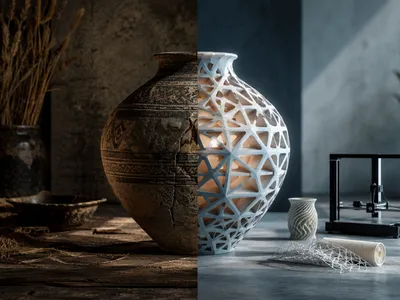
A truly timeless craft bridges past and present through a dynamic interplay rather than freezing history, an approach central to reviving traditional crafts in modern times. Adaptive continuity allows forms to evolve with new contexts while preserving their essential identity, and cultural resilience arises when a craft community upholds core values while embracing change, maintaining relevance across generations. Scholars differentiate static preservation, which risks obsolescence, from living tradition, which sustains vitality by balancing technique, innovation, and community engagement.
| Static Preservation | Living Tradition |
|---|---|
| Replicates historical methods without question | Adapts techniques to contemporary materials and tools |
| Treats innovation as contamination | Integrates innovation while preserving core principles |
| Focuses on exact reproduction | Values interpretation and individual maker’s voice |
| Disconnected from current use contexts | Responds to present needs without erasing heritage |
A craft tradition that ceases to engage with the living conditions of its practitioners becomes a mere artifact of curiosity rather than a functioning cultural force. The works produced within a living tradition possess an undeniable vitality; they belong to their own time yet carry the weight of accumulated wisdom, raising critical questions about whether can DIY culture save local crafts in today's shifting landscape. Authentic timelessness therefore resides not in unchanging forms but in the capacity to remain relevant while honoring the deep structures that gave the tradition its original coherence.
When Form and Function Become One?
Functional clarity sets timeless objects apart from mere decoration, while structural economy removes anything unnecessary, leaving only what serves both purpose and meaning. Each line and joint carries expressive weight, and the coherence of form and function gives the object a sense of inevitability rather than invention.
When a craft object achieves true purposeful form, its design feels intrinsically correct, with any alteration weakening its integrity. This arises from careful editing, where the maker prioritizes structure, material, and function over personal flair. Timelessness stems from this clarity of purpose, and enduring appeal naturally follows when form and function reach perfect balance, leaving no space for transient trends.