How Does Public Art Strengthen Community Identity?
Public art functions as a powerful catalyst for cultivating a shared sense of collective belonging among diverse urban populations. When communities see their stories and values reflected in public installations, the abstract concept of "community" gains tangible, visible form. This process of representation is fundamental to building robust social cohesion in increasingly heterogeneous cities.
The most effective projects often emerge from participatory art projects that directly involve residents in the creative process. These collaborations ensure the artwork resonates with local narratives and historical contexts, transforming passive observers into active stakeholders. Such engagement fosters a sense of ownership and pride that deepens residents' emotional investment in their neighbourhood.
This deepened investment translates into measurable social benefits, including enhanced informal social interactions and a greater willingness to engage in collective civic initiatives. Artworks that celebrate local heritage or address contemporary social issues become focal points for dialogue, bridging generational and cultural divides. Over time, these shared reference points contribute to a resilient community fabric capable of navigating urban challenges collectively. The result is a population more deeply rooted in and committed to the long-term wellbeing of their urban environment.
The process of strengthening community identity through art typically involves several key mechanisms:
- Representation: Validating local histories and cultures in the public realm.
- Participation: Engaging citizens directly in the creation and curation of art.
- Dialogue: Sparking conversations around shared values and civic issues.
- Stewardship: Encouraging residents to care for and protect communal assets.
How Art Shapes Shared Public Spaces?
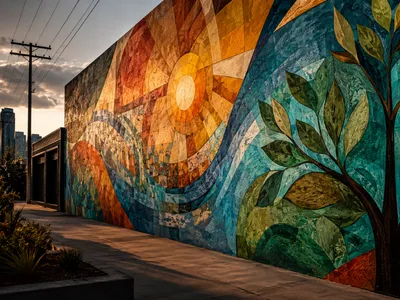
Shared public spaces—parks, plazas, and streets—derive their character and utility not merely from their physical design but from the cultural meanings inscribed upon them. Artistic interventions serve as a primary vehicle for this inscription, transforming generic areas into meaningful places. A well-placed sculpture or a vibrant mural can instantly recalibrate how individuals perceive and utilize a given space.
The tactical placemaking potential of art lies in its ability to soften the often-hard edges of urban infrastructure. Temporary installations, interactive light displays, or performance art can animate underused areas, making them more inviting for diverse user groups. This increased footfall and activity, in turn, supports local businesses and enhances the perceived safety of the vicinity.
By intervening in the built environment, artists challenge conventional notions of how space should be used, introducing elements of play and spontaneity. A staircase becomes a musical instrument, a vacant lot transforms into a community garden with sculptural elements, and a dull underpass is illuminated with a vibrant light installation. These creatve acts encourage residents to dwell longer and interact more freely, breaking down the social barriers that often characterize anonymous urban settings. The space evolves from a mere transit point into a genuine destination for encounter and exchange, enriching the daily lives of those who traverse it.
This reshaping of public space carries significant implications for urban equity and accessibility. When public art reflects the demographics and aspirations of a neighbourhood, it sends a powerful signal of inclusion, welcoming all members of the public. Conversely, the absence of such cultural markers can render spaces feeling exclusive or unwelcoming to certain groups. Therefore, the strategic integration of art is not merely an aesthetic consideration but a fundamental component of creating just and democratic public realms. It ensures that the city's shared spaces truly belong to everyone.
Catalyzing Economic Vitality
Beyond its aesthetic and social contributions, public art serves as a significant economic development instrument for contemporary cities. Strategic artistic investments can stimulate local economies by attracting cultural tourism, supporting creative sector jobs, and enhancing the commercial appeal of districts. This economic multiplier effect extends well beyond the initial cost of commissioning an artwork.
The presence of distinctive public art contributes directly to rising property values and increased foot traffic in surrounding commercial corridors. Businesses often report higher revenues when located near popular installations, as visitors are drawn to unique, visually engaging environments. This phenomenon creates a virtuous cycle where economic gains can be reinvested into further community improvements.
This economic rationale has gained considerable traction among urban planners and policymakers seeking sustainable, community-based revitalization strategies. Public art projects, particularly those involving temporary festivals or biennials, generate substantial direct spending on hospitality, retail, and local services. Moreover, they attract a demographic of cultural consumers who tend to spend more time and money exploring neighbourhoods. Cities leveraging art for economic vitality often experience a diversification of their local business ecosystems, with new galleries, design studios, and creative enterprises clustering around cultural anchors. This clustering effect not only creates jobs but also enhances the city's competitive position in the global market for talent and investment, making culture a cornerstone of inclusive economic growth.
The economic mechanisms activated by public art can be categorized across several dimensions:
| Mechanism | Local Impact | Measurement Indicator |
|---|---|---|
| Tourism Attraction | Increased visitor spending | Hotel occupancy rates, foot traffic |
| Property Value Uplift | Higher tax revenues, investment | Real estate transaction data |
| Job Creation | Artists, fabricators, hospitality | Employment statistics, business registrations |
| Business Retention | Distinctive place identity | Commercial vacancy rates |
Can Public Art Improve Urban Mental Wellbeing?
An emerging body of interdisciplinary research underscores the profound impact of public art on population health outcomes and individual psychological wellbeing. Engaging with art in everyday environments can mitigate stress, reduce symptoms of anxiety, and foster a general sense of contentment. This therapeutic dimension positions public art as a critical component of preventive urban health infrastructure.
Visual stimulation from thoughtfully designed public artworks can provide moments of respite and mental restoration amid the cognitive demands of city life. Natural themes, calming colour palettes, and contemplative spaces integrated with art offer essential opportunities for reflection. These micro-restorative experiences accumulate over time, contributing to lower levels of chronic stress among urban residents.
The health benefits extend beyond passive observation to include active social participation and physical movement. Interactive art installations encourage play and exploration, prompting individuals to walk further or engage with their environment in novel ways. Community art-making events, such as mural painting or temporary installations, can function as art as emotional language, promoting social connection and reducing feelings of isolation, which are recognized determinants of mental and physical health. For vulnerable populations, including the elderly or those with limited mobility, accessible art in public spaces provides meaningful engagement with the wider community, fostering dignity and a continued sense of belonging.
Integrating artistic considerations into public health strategies represents a holistic approach to urban governance. Cities that prioritize aesthetic richness and cultural programming effectively create environments that support emotional resilience and social wellbeing. This paradigm shift recognizes that health is not merely the absence of disease but a state of complete physical, mental, and social wellness, all of which can be nurtured through deliberate, artful urban design. The presence of creativity in shared spaces qquietly communicates that a city values the inner lives of its inhabitants.
Public art contributes to wellbeing through several interconnected pathways:
- Stress Reduction Restorative
- Social Connection Relational
- Physical Activation Behavioural
- Identity Affirmation Psychological