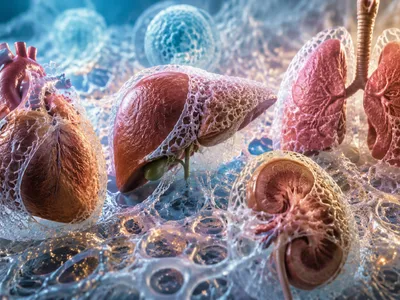
The Revival of Anatomical Detail in Diagnostics
Contemporary diagnostic paradigms are experiencing a profound renaissance of foundational anatomical knowledge, driven by the limitations of purely molecular approaches. While genomics and proteomics offer incredible insights into disease mechanisms, they often lack the spatial context essential for understanding pathophysiology. This resurgence is not a return to rote memorization but a sophisticated integration, where detailed three-dimensional anatomical mastery informs the interpretation of advanced imaging and biomarker data. Clinicians are rediscovering that a deep understanding of fascial planes, neurovascular corridors, and organ topography is indispensable for accurate diagnosis.
The clinical utility of this revived perspective is most evident in complex cases where imaging findings are ambiguous. A radiologist interpreting a pancreatic mass on CT must navigate beyond pixel densities; knowledge of the retroperitoneal compartments, the relationships of the uncinate process to the superior mesenteric vessels, and the lymphatic drainage pathways transforms image analysis. This anatomical context allows for differential diagnoses that consider not just the lesion, but its local invasive potential and metastatic patterns, directly impacting staging and therapeutic strategy.
| Anatomical Feature | Traditional Diagnostic Role | Modern Integrated Diagnostic Value |
|---|---|---|
| Coronary Vasculature | Identifying gross occlusion | Guiding PCI by understanding plaque morphology, vessel tortuosity, and side branch protection |
| Hepatic Segments (Couinaud) | Localizing tumors | Planning parenchyma-sparing resections and anticipating vascular/biliary variations for safer surgery |
| Brachial Plexus | Lesion localization from clinical exam | Precise targeting for nerve blocks and interpreting ultrasound/MRI for entrapment syndromes |
Anatomical literacy is crucial for the safe implementation of minimally invasive diagnostic procedures. The proliferation of endoscopic and percutaneous techniques demands that operators possess a dynamic mental map of anatomy that can compensate for the loss of tactile feedback. For instance, during an endoscopic ultrasound (EUS)-guided biopsy of a subepithelial lesion, the endoscopist must mentally correlate the real-time ultrasound image with layered mural anatomy and adjacent structures like the aorta or portal vein to avoid catastrophic complications. This cognitive integration ensures that technological advancement translates to patient safety rather than increased risk.
- Enhanced interpretation of cross-sectional imaging (CT, MRI) leading to fewer diagnostic errors.
- Improved planning and safety of image-guided biopsies and diagnostic interventions.
- Refined differential diagnosis through correlation of clinical symptoms with precise anatomical substrates.
- Facilitation of multidisciplinary communication between radiologists, surgeons, and oncologists.
Surgical Precision through Imaging Synergy
Modern surgical oncology and functional surgery are underpinned by a symbiotic relationship between detailed anatomy and advanced imaging. Preoperative planning has evolved from reviewing static films to engaging in immersive, interactive 3D reconstructions created from CT or MRI DICOM data. These models allow surgeons to perform virtual dissections, identify critical anatomical variations, and simulate surgical approaches, thereby converting anatomical knowledge into a actionable preoperative strategy. This process significantly reduces intraoperative uncertainty and improves oncological outcomes.
Intraoperatively, this synergy reaches its zenith with image-guided navigation systems and augmented reality (AR). In complex neurosurgical or orthopedic procedures, preoperative 3D models are registered to the patient's actual anatomy in real-time. This creates a surgical "GPS," where instruments are tracked in space and their position is overlaid on the patient's unique anatomy. Such technology allows for sub-millimeter precision in tumor resection while preserving eloquent brain tissue or in placing pedicle screws with optimal trajectory, minimizing nerve root injury.
| Surgical Specialty | Imaging Modality | Anatomical Precision Application |
|---|---|---|
| Hepato-Pancreato-Biliary | CT Angiography/Portography + 3D Reconstructions | Mapping vascular territories for parenchymal-sparing liver resections and assessing tumor proximity to major vessels. |
| Skull Base Surgery | High-Resolution MRI + CT + Neuronavigation | Navigating through complex osseous and neurovascular anatomy (e.g., cavernous sinus, internal auditory canal) for tumor access. |
| Robotic Prostatectomy | Multiparametric MRI | Identifying neurovascular bundle anatomy and extracapsular extension to guide nerve-sparing dissection and oncologic margins. |
The fusion of real-time intraoperative imaging with classical anatomy is another frontier. Intraoperative CT or MRI allows for assessment of resection completeness or implant placement before wound closure. In pituitary surgery, for example, intraoperative MRI can confirm total adenoma resection and preservation of the optic chiasm, while in spine surgery, it verifies screw placement. This feedback loop closes the gap between the preoperative plan and the surgical reality, ensuring that anatomical goals are met and reducing revision rates.
Morphological Insights in Disease Prediction
The predictive power of gross and microscopic anatomy in anticipating disease onset and progression is gaining renewed appreciation in the era of personalized medicine. Subtle morphological alterations, often discernible before clinical symptoms manifest, serve as critical biomarkers. For instance, specific patterns of cardiac muscle fiber disarray observed in endomyocardial biopsies can predict the risk of malignant arrhythmias in hypertrophic cardiomyopathy, guiding early intervention with implantable defibrillators. Similarly, the architectural distortion of breast ductal systems, detectable via advanced mammographic techniques, provides a window into pre-neoplastic states.
On a histological level, the tumor microenvironment (TME) represents a complex morphological ecosystem with profound prognostic implications. The density and spatial arrangement of tumor-infiltrating lymphocytes (TILs), the maturity of the tumor-associated vasculature, and the presence of desmoplastic stroma are not mere passive features but active determinants of therapeutic response. Quantitative histomorphometry, powered by artificial intelligence, now allows for the extraction of hundreds of features from a standard H&E slide—a field known as radiomics for pathology. These morphometric signatures can predict responsiveness to immunotherapy in melanoma or likelihood of metastasis in colorectal cancer, far beyond traditional staging criteria.
| Morphological Indicator | Associated Disease | Predictive Value |
|---|---|---|
| Hippocampal Atrophy Patterns | Alzheimer's Disease | Predicts rate of cognitive decline and conversion from MCI to dementia; informs patient/caregiver planning. |
| Liver Nodule Dysplastic Morphology | Hepatocellular Carcinoma | In cirrhotic patients, identifies nodules at highest risk for malignant transformation, guiding surveillance intervals. |
| Coronary Artery Calcium Scoring | Atherosclerotic Cardiovascular Disease | Quantifies plaque burden, providing a robust, anatomy-based long-term risk prediction independent of serum lipids. |
The emerging concept of organ shape analysis leverages large-scale imaging datasets to link global anatomical form with disease susceptibility. Computational anatomy techniques can detect subtle deviations in brain sulcal patterns, ventricular shape, or arterial tortuosity that correlate with genetic syndromes or neurodegenerative risk. This shift from assessing size or volume alone to analyzing complex three-dimensional shape represents a paradigm where anatmy becomes a quantitative, data-driven science. The integration of these morphological predictors with genomic data creates a powerful multivariable risk model, enabling truly stratified prevention strategies rather than one-size-fits-all screening.
- AI-powered histopathology analysis uncovering prognostically significant morphological patterns invisible to the human eye.
- Quantitative imaging biomarkers (e.g., texture analysis) derived from anatomical scans predicting tumor aggressiveness.
- Population-level anatomical phenotyping linking specific morphological traits to polygenic risk scores.
Unraveling Anatomical Variants in Clinical Practice
The dogma of a single, standard human anatomy is clinically obsolete. Recognition of frequent and significant anatomical variations is paramount for preventing iatrogenic injury and interpreting diagnostic findings. A non-recurrent laryngeal nerve during thyroidectomy, an accessory renal artery during transplant harvesting, or a Browne's membrane in the knee all represent potential pitfalls. Systematic preoperative identification of these variants, primarily through high-resolution imaging, transforms them from surgical hazards into mapped landmarks, thereby standardizing procedural safety across patient populations.
Beyond avoiding harm, variants often underlie or modulate pathology. A patent foramen ovale (PFO) is a common interatrial septal variant that can facilitate paradoxical embolism, leading to cryptogenic stroke. Its anatomical characteristics—size, tunnel length, associated atrial septal aneurysm—directly influence the decision for percutaneous closure.
The clinical impact extends to interventional radiology and pain management. Variations in the origin and course of the median artery, the configuration of the sacral hiatus, or the branching pattern of the celiac trunk dictate the technical approach to angiography, nerve blocks, and embolization procedures. Variant-aware medicine requires a shift in education from memorizing a single "normal" to understanding a spectrum of "common" and developing the skill to actively search for and adapt to anatomical individuality using available imaging tools.
This knowledge also refines diagnostic specificity. A prominent basilar invagination might be mistaken for pathology on a plain film, while knowledge of its prevalence and typical radiographic features prevents unnecessary alarm. Conversely, mistaking a double inferior vena cava for a pathologic lymph node can lead to diagnostic error. Thus, a deep, practically-oriented knowledge of anatomical variation acts as a critical filter, improving both the sensitivity and specificity of clinical diagnosis and ensuring that therapeutic interventions are precisely tailored to the individual's unique anatomical blueprint.

- Pre-procedural imaging checklists designed to specifically identify high-risk variants relevant to the planned intervention.
- Development of variant-specific surgical and interventional technique modules in simulation-based training.
- Integration of 3D-printed models of patient-specific variant anatomy for preoperative planning in complex cases.
The Dynamic Anatomy of Organ Crosstalk
Traditional anatomical models often depict organs as static, isolated entities. Modern medicine, however, recognizes a dynamic and interdependent system where continuous mechanical, biochemical, and neural communication dictates physiological and pathological states. This organ crosstalk is rooted in shared anatomical compartments and conduit systems, making a compartmentalized understanding of anatomy insufficient for holistic patient care.
The gut-liver axis exemplifies this principle. The portal venous system is not merely a passive drainage route but the central anatomical highway for crosstalk. Gut-derived nutrients, microbial metabolites, and inflammatory mediators travel directly to the liver, influencing hepatic metabolism, immune response, and fibrogenesis. This anatomical shortcut explains the rapid progression of steatohepatitis in metabolic syndrome and the liver's frontline role in sepsis originating from intestinal barrier failure.
Similarly, the intimate anatomical relationship between the heart and lungs within the rigid thoracic cage creates a potent mechanical crosstalk. In heart failure, elevated left ventricular filling pressures are transmitted retrograde through the pulmonary vasculature, inducing capillary stress failure and remodeling—a process known as cardiogenic pulmnary edema. Conversely, positive-pressure mechanical ventilation for acute respiratory distress syndrome (ARDS) can alter cardiac preload and afterload, demonstrating how therapeutic interventions in one organ system directly impact another due to shared anatomical space and vascular connections. Understanding this dynamic is critical for managing hemodynamics in critically ill patients.
The renin-angiotensin-aldosterone system (RAAS) represents a systemic endocrine crosstalk with profound anatomical implications. Chronic activation, as in renal artery stenosis or heart failure, leads to vasculopathic remodeling and end-organ fibrosis in the heart, kidneys, and vasculature. The anatomical lesions—myocardial hypertrophy, glomerulosclerosis, and arterial medial hypertrophy—are direct consequences of sustained biochemical signaling. Thus, treating hypertension or heart failure with RAAS inhibitors is an exercise in modulating anatomy through the interruption of pathological crosstalk, aiming to reverse or halt these structural changes. This paradigm shift views disease not as failure of a single organ but as a system-wide anatomical dysfunction mediated by established physical conduits.
Integrating Cadaveric Dissection with Modern Education
Despite the proliferation of digital and virtual tools, cadaveric dissection remains the pedagogical gold standard for in-depth anatomical education. Its irreplaceable value lies in providing an unfiltered, three-dimensional reality of tissue variation, consistency, and spatial relationships that no simulation can fully replicate. The tactile experience of dissecting fascial planes, the visual surprise of an anatomical variant, and the respectful encounter with human mortality foster a unique, embodied learning that builds clinical intuition and professional identity.
The modern approach strategically integrates dissection with complementary technologies, creating a hybrid model. Pre-dissection visualization using 3D anatomy software allows students to navigate the region of interest virtually, building a mental map that increases confidence and efficiency during the actual dissection. This preparatory step transforms the hands-on session from a blind exploration into a targeted, hypothesis-driven investigation of anatomical structures.
The cadav er itself is now a substrate for advanced learning when combined with intra-dissection imaging. Techniques like ultrasound guidance on cadavers allow students to correlate surface landmarks and needle trajectories with underlying anatomy, directly translating to skills for central line placement or regional anesthesia. Similarly, prosected specimens can be scanned with portable CT or MRI post-dissection, enabling correlation of the manipulated anatomy with radiological cross-sections, thereby bridging the gap between the laboratory and the imaging suite. This multimodal integration ensures that the timeless practice of dissection evolves to meet the demands of contemporary, image-driven clinical practice.
Finally, dissection is pivotal for teaching surgical anatomy and procedural safety. Simulated surgical approaches on cadavers, using real instruments, provide a low-risk environment to understand tissue handling, hemostasis, and the critical "danger zones" associated with complex operations. The integration of surgical navigation systems with cadaveric specimens offers an unparalleled opportunity to practice the registration of patient-specific anatomy and instrument tracking, a skill fundamental to modern neurosurgery and orthopedics. Thus, far from being obsolete, the modern cadaveric lab is a hub of translational learning, where classical anatomical knowledge is directly activated and contextualized within the framework of current medical technology and surgical innovation.
From Bench to Bedside A Translational Framework
Anatomical research systematically fuels clinical innovation through a structured translational pipeline connecting foundational science to therapeutic application.
This pipeline necessitates profound interdisciplinary collaboration between anatomists, bioengineers, and clinical practitioners to ensure relevance and efficacy.
The discovery phase leverages advanced cadaveric studies, quantitative imaging analytics, and biomechanical testing to elucidate critical structure-function relationships. These insights pinpoint unmet clinical needs and generate solution hypotheses. A prime example is how deciphering the microanatomy of the blood-brain barrier has informed the design of ligand-targeted nanoparticles for drug delivery in glioblastoma. Such foundtional discoveries undergo rigorous prototyping into devices or biologic therapies, utilizing biocompatible materials and computational simulations to validate anatomical integration and safety profiles prior to preclinical trials. This stage is crucial for de-risking translation and aligning engineering with biological constraints.
Successful clinical translation mandates rigorous validation through anatomically-informed trial design, where precise targeting and safety monitoring are paramount. Post-market surveillance and real-world outcome data then create a vital feedback loop, refining anatomical understanding and catalyzing new innovation cycles. This continuous loop embeds anatomy as the central scaffold of evidence-based medicine, ensuring that every advancement—from a novel biomaterial to a robotic surgical platform—is rooted in a deep, dynamic understanding of human form and function, ultimately driving progress from initial concept to widespread, equitable patient benefit.