The Tactile Allure in a Digital World
The persistent appeal of hand lettering in an era dominated by screens stems from a fundamental human need for tactile engagement. This physical interaction with pen and paper activates neural pathways associated with sensory processing and motor control, offering a stark contrast to the frictionless glide of a finger on glass. The subtle drag of a nib and the smell of ink create a multi-sensory experience that digital tools cannot replicate.
This embodied practice provides a crucial counterbalance to the ephemeral nature of digital media, grounding the creator in a specific time and place. Each stroke becomes a recorded moment of physical effort, resulting in an artifact that carries the unique imprint of its maker. The very act of forming letters by hand becomes a form of kinetic meditation, anchoring abstract thought to tangible reality.
Neurological studies suggest that the complex fine motor skills involved in hand lettering foster greater cognitive engagement compared to typing. The deliberate pressure and release required to modulate line weight demand focused attention, effectively pulling the practitioner away from the distractions of notifications and multitasking. This focused state enhances the brain's ability to consolidate memory and process ideas more deeply.
The resurgence of interest in fountain pens, specialty papers, and essential tools for beginner calligraphy artists highlights a broader cultural shift toward valuing process over pure output. Consumers and creators alike are seeking authenticity through objects and skills that demand patience and cultivate a sense of slowness. This return to the tactile is not mere nostalgia but a conscious reclamation of a mode of expression that feels inherently more human and personally significant than its digital counterpart.
How Does Hand Lettering Shape the Mind?
Engaging in the deliberate, unhurried practice of hand lettering induces a neurological state often described as "flow," characterized by deep focus and diminished self-awareness. This immersion in a rhythmic, repetitive task effectively quiets the mind's default mode network, the area associated with rumination and self-critical thought. Consequently, the practice serves as a powerful, accessible form of mindfulness training.
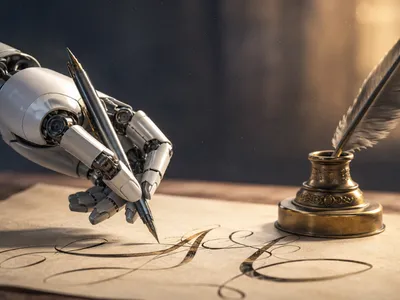
Beyond its calming effects, the cognitive demand of letterform construction actively enhances what researchers term visuospatial processing. The practitioner must constantly analyze positive and negative space, maintain consistent proportions, and plan the spatial relationships between complex forms. Comparing this intricate process with AI replication of the art of hand calligraphy also raises questions about whether technology can truly reproduce the cognitive and creative dimensions of traditional hand lettering. This mental workout strengthens neural connections that support problem-solving and creative thinking, demonstrating that the slow pace of hand lettering yields uniquely rich cognitive rewards.
This deliberate deceleration allows for a unique feedback loop between hand and brain that typing cannot provide. As the hand forms each curve, the brain has time to anticipate the next stroke, fostering a predictive and integrative thought process. This synchronous activity reinforces learning and can lead to unexpected creative insights, as the slower pace provides the mental space for ideas to connect in novel ways.
Authenticity and the Human Touch
In a marketplace saturated with algorithmically generated content and mass-produced visuals, hand lettering offers a rare commodity: demonstrable human agency. The subtle irregularities in stroke weight and letter spacing serve as visual evidence of a human hand at work, fostering an immediate emotional connection with the viewer. This perceived authenticity builds trust in ways that flawless digital typefaces cannot.
Contemporary consumer psychology reveals a strong preference for artifacts that exhibit traces of their creation. Hand-rendered typography signals an investment of time and skill, reflecting a tradition explored in the history of script in modern logo design, while these qualities are increasingly valorized in economies driven by craft and artisanal production. The presence of such work communicates that a brand or individual values artisanal quality over efficient anonymity.
| Attribution Cue | Perceived Value | Consumer Response |
|---|---|---|
| Visible stroke variation | Skilled craftsmanship | Increased trust |
| Minor ink bleeds | Material engagement | Perceived authenticity |
| Unique letterform quirks | Individual expression | Emotional resonance |
This yearning for the authentic extends beyond mere aesthetics into the realm of social semiotics, where the hand-lettered artifact functions as a signifier of resistance against corporate homogenization. The choice to present text with a human touch communicates alignment with values like individuality, transparency, and community. It visually articulates a stance against the iimpersonal efficiency of mass communication, creating a paradox of appeal where the intentionally imperfect becomes the most desired form of expression.
The phenomenon is particularly pronounced among younger demographics, who, despite being digital natives, demonstrate a robust appreciation for handcrafted visual communication. For these consumers, encountering hand lettering provides a respite from the curated perfection of social media feeds. It represents a tangible link to pre-digital forms of expression, offering what cultural theorists describe as a form of visual authenticity in an age of mechanical reproduction. This appreciation translates directly into brand loyalty and willingness to pay premium prices for goods and services that embrace this aesthetic.
Why Imperfection is Commercially Valuable?
The commercial realm has eagerly appropriated the aesthetic of hand-drawn imperfection, recognizing its potent ability to differentiate products in crowded marketplaces. Brands strategically deploy hand-lettered logos, packaging, and brush lettering techniques for social media graphics to signal a departure from sterile corporate identity, aiming to appear more approachable and grounded. This calculated use of strategic imperfection leverages the psychological principle of the "fluency effect," where slightly irregular stimuli can actually increase cognitive engagement and memorability.
| Typographic Style | Brand Perception | Target Demographic |
|---|---|---|
| Hand-lettered | Artisanal, trustworthy | Experience seekers |
| Custom digital font | Modern, innovative | Tech-savvy consumers |
| Mass-market typeface | Generic, cost-effective | Price-sensitive buyers |
This commercial adoption, however, creates an interesting dialectic between genuine craft and manufactured authenticity. While some brands commission authentic hand lettering from skilled practitioners, others digitally simulate the look of imperfection, raising questions about the nature of authenticity in commercial contexts. The market response, however, remains consistently positive, suggesting that the visual signifiers of the handmade carry significant economic weight regardless of their origin. This valuation is predicated on the consumer's desire for distinction and the perception of a brand's investment in unique, non-replicable visual assets.
Market analysts have identified several key sectors where hand-lettered aesthetics command a premium, particularly in craft food and beverage packaging. The following categories exemplify this trend:
- Craft breweries and distilleries Premium +47%
- Artisanal coffee roasters Premium +38%
- Small-batch skincare producers Premium +52%
- Independent bookshop branding Premium +29%