How Did Domestication Shape Yeast Genomes?
The domestication of Saccharomyces cerevisiae has left distinct genomic signatures, contrasting sharply with the diversity of wild populations. Comparative genomics reveals repeated selection on genes governing carbohydrate metabolism and stress resilience.
These domestication bottlenecks often result in reduced allelic variation, yet they also fix advantageous mutations that enhance fermentation efficiency. Such genetic streamlining underpins the predictable performance of industrial strains.
Beyond simple divergence, domestication has reshaped whole metabolic networks, creating a mosaic of horizontally transferred elements and gene duplications that optimize carbon flux under anthropic conditions. Recent paleogenomic analyses of ancient fermentation vessels further illuminate how human activity continuously rewired yeast genomes over millennia, producing lineages exquisitely attuned to beer, wine, and bread environments. This evolutionary trajectory not only informs industrial strain development but also provides a model for studying rapid adaptation under strong selection pressures.
Precision Fermentation for Health
Traditional food fermentations once depended on spontaneous or back-slopped inocula, but today, carefully characterized yeast strains are used to achieve specific health benefits. This evolution has turned a preservation technique into a foundation for functional foods, offering more than just extended shelf life.
Current strain selection emphasizes probiotic yeast properties, including survival through the digestive tract and immunomodulatory effects, in addition to standard fermentation capabilities. Specific Saccharomyces boulardii isolates and non-conventional yeasts like Kluyveromyces marxianus generate bioactive peptides, β-glucans, and folate, which support gut barrier integrity and reduce systemic inflammation, aligning perfectly with modern research on probiotics and their real health benefits.
The following examples illustrate the diversity of yeast‐based functional food applications currently integrated into commercial and clinical contexts.
- 🦠 Probiotic supplements – Live S. boulardii preparations for antibiotic‐associated diarrhea management.
- 🍞 β‐glucan enriched bakery – Yeast cell wall extracts incorporated into breads for cholesterol reduction.
- 🥛 Fermented dairy with postbiotics – Inactivated yeast biomass delivering immunomodulatory mannoproteins.
- 💊 Selenium‐enriched yeast – Standardized sources of organic selenium for nutritional fortification.
Regulatory frameworks increasingly recognize these multifunctional yeasts as both processing aids and active ingredients, necessitating rigorous strain authentication and clinical validation. The convergence of fermentation science, genomics, and nutrition positions yeast as a cornerstone in the evolution of functional foods, bridging traditional practices with precision health solutions.
How Do Gut Fungi Affect Human Health?
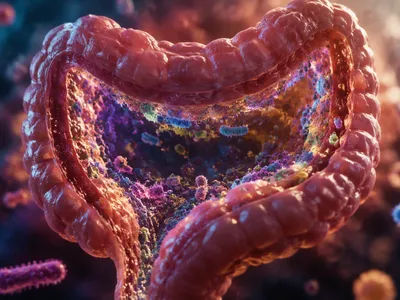
Within the human gastrointestinal tract, fungal communities, mainly yeasts, form a dynamic yet often overlooked part of the microbial ecosystem. Commensal yeasts like Saccharomyces cerevisiae and Candida species metabolize dietary carbohydrates, producing metabolites that shape bacterial populations. This cross-kingdom interaction can support gut homeostasis or, if disrupted, contribute to inflammatory disorders, highlighting how these systems dictate what gut bacteria control in your body and regulate host immunity.
Metagenomic surveys now reveal that mycobiome composition is not merely a passive reflection of diet but an actively regulated trait, with specific yeast strains exhibiting immunomodulatory properties through pattern recognition receptor engagement. These fungal signatures correlate with clinical outcomes in inflammatory bowel disease, metabolic syndrome, and even neurological disorders, proving essential to understanding the human microbiome and immune health as a critical interface between environmental exposures and host physiology.
Engineering Health Through Yeast
Synthetic biology has transformed yeast into programmable platforms capable of producing therapeutic molecules, sensing gut metabolites, and delivering targeted treatments. These engineered strains move beyond traditional probiotics into the realm of living therapeutics.
Recent advances leverage CRISPR‐Cas9 and modular genetic circuits to confer novel functionalities, such as autonomous inflammatory signal detection. Such designs enable yeast to act as self‐regulating drug factories within the gastrointestinal tract.
One of the most promising applications involves engineering Saccharomyces boulardii to secrete anti‐inflammatory cytokines or to enzymatically degrade pathogenic metabolites like oxalate and ammonia. These designer strains have demonstrated efficacy in preclinical models of colitis, enteric infections, and phenylketonuria, marking important microbiology discoveries impacting human immunity. The convergence of synthetic biology and yeast domestication is thus redefining what constitutes a therapeutic agent.
| Engineered Yeast Platform | Genetic Modification | Therapeutic Application |
|---|---|---|
| S. boulardii | Secretion of human pro‐insulin | Diabetes management via gut delivery |
| S. cerevisiae | Oxalate decarboxylase expression | Prevention of hyperoxaluria and kidney stones |
| S. boulardii | NALP3 inflammasome modulation | Attenuation of colitis inflammation |
Regulatory pathways for these engineered organisms are now being defined, focusing on containment strategies such as auxotrophic markers and kill switches to ensure safety. As clinical validation expands, yeast‐based synthetic biology is poised to offer a new class of orally administered, living biotherapeutics.
Metabolic Mastery in Modern Diets
The remarkable metabolic flexibility of yeasts enables them to thrive on diverse dietary carbohydrates, from simple sugars to complex polysaccharides. This adaptability reflects ancient evolutionary investments in nutrient scavenging pathways.
Modern Western diets, characterized by high glycemic loads and processed ingredients, inadvertently select for yeast strains with amplified glycolytic flux and stress tolerance mechanisms, including enhanced trehalose accumulation and membrane remodeling. Such traits not only improve fermentation robustness but also influence how commensal yeast populations metabolize dietary components in the gut, potentially affecting host glucose homeostasis and inflammatory tone. Understanding these evolutionary adaptations provides a framework for predicting yeast responses to nutritional interventions and for designing strains that align with metabolic health goals.