The Skin Microbiome Across Different Body Regions
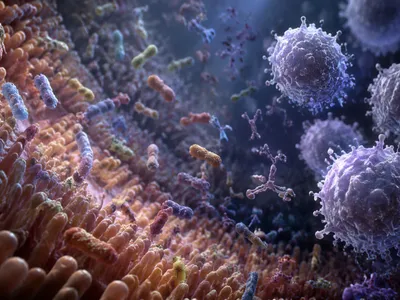
The human skin functions not just as a protective barrier but as a complex ecosystem rich in microbial life. Metagenomic sequencing shows that bacterial density can reach up to one million cells per square centimeter, forming what is known as the skin microbiome. This system displays significant variation across the body, as moist, sebaceous, and dry regions each support distinct microbial communities influenced by local physiological conditions.
Rather than being random, these microbial distributions follow structured patterns shaped by factors such as sebum levels, humidity, and host genetics. Staphylococcus and Cutibacterium are prevalent in oil-rich areas, while moisture-loving organisms like Corynebacterium are more common in damp skin regions.
A Universe of Staphylococci and Corynebacteria
Among the hundreds of bacterial species inhabiting the skin, two genera consistently emerge as primary colonizers. Staphylococci, particularly S. epidermidis, employ sophisticated adhesion mechanisms to establish stable populations.
Corynebacteria, by contrast, excel in niche adaptation through their remarkable capacity to metabolize lipids and urea. Their enzymatic versatility enables persistence even in nutrient-limited environments.
The interplay between these dominant taxa creates a competitive yet cooperative landscape. Quorum-sensing molecules and bacteriocins produced by staphylococci directly modulate the growth of neighboring corynebacteria, while metabolic byproducts from one genus often serve as substrates for the other.
The Guardian Role of Commensal Flora
Commensal bacteria actively reinforce the skin’s structural integrity by stimulating keratinocyte differentiation and tight junction formation. Staphylococcus epidermidis produces sphingomyelinase, which generates ceramides essential for stratum corneum cohesion.
Beyond physical protection, these indigenous microbes orchestrate a finely tuned immune education. Cutibacterium acnes, despite its association with acne, contributes to immune tolerance by inducing regulatory T cells that dampen excessive inflammation. This dual role highlights the complexity of host-microbe interactions, reflecting broader microbiology discoveries impacting human immunity.
The defensive arsenal of commensals includes secretion of antimicrobial peptides and competitive exclusion of pathogens. Staphylococcus hominis produces lantibiotics that specifically inhibit methicillin-resistant Staphylococcus aureus (MRSA), while coagulase-negative staphylococci consume iron‑bound transferrin, starving invading species. Such mechanisms represent a form of colonization resistance that is now being harnessed for therapeutic applications.
Key functions mediated by commensal skin bacteria include:
- Barrier reinforcement – stimulation of antimicrobial peptide secretion and tight junction proteins
- Immune modulation – induction of regulatory T cells and controlled cytokine profiles
- Pathogen exclusion – direct bacteriocin production and nutrient competition
- Metabolic support – generation of short‑chain fatty acids that nourish keratinocytes
When Balance is Lost
Disruption of the natural microbial balance, known as dysbiosis, is a key feature of chronic inflammatory skin conditions. Atopic dermatitis illustrates this process, where the overgrowth of Staphylococcus aureus is accompanied by a decline in beneficial microbial diversity. Factors such as loss of filaggrin increase skin pH and weaken antimicrobial defenses, allowing pathogens to thrive.
Toxins and proteases produced by S. aureus further damage the skin barrier and intensify inflammation, sustaining the dysbiotic cycle. In acne, a different pattern emerges: instead of simple overgrowth, shifts in Cutibacterium acnes strains occur, where specific virulent types dominate and activate immune responses through receptor-mediated pathways.
The diagnostic utility of skin microbiome analysis is rapidly advancing. Below is a comparison of microbial signatures associated with select dermatologic conditions:
| Condition | Predominant Dysbiosis Pattern | Key Microbial Markers |
|---|---|---|
| Atopic Dermatitis | Loss of commensal staphylococci; S. aureus dominance | ↑ S. aureus; ↓ S. epidermidis, ↓ S. hominis |
| Acne Vulgaris | Phylotype shift within C. acnes | ↑ C. acnes phylotype IA1; ↓ phylotypes II and III |
| Psoriasis | Reduced overall diversity; transient pathogen enrichment | ↓ Corynebacterium; ↑ Streptococcus, Malassezia |
| Rosacea | Overgrowth of Demodex-associated bacteria | ↑ Bacillus oleronius; dysbiosis of sebaceous follicles |
Therapeutic restoration of microbial balance is emerging as a precision strategy. Live biotherapeutic products containing rationally selected commensal strains are now in clinical trials, aiming to re‑establish colonization resistance without broad‑spectrum antimicrobial collateral damage. Early results show promise in reducing relapse rates and restoring immune homeostasis.
How Our Immune System Deciphers Friend from Foe?
The distinction between commensal bacteria and invading pathogens relies on a sophisticated pattern recognition system. Keratinocytes and dendritic cells express Toll-like receptors that discriminate microbial ligands based on context and localization.
Commensals actively shape this discriminatory capacity through continuous low-grade signaling that maintains immune readiness without provoking inflammation. Staphylococcus epidermidis for instance triggers IL-1α release that strengthens barrier function while suppressing overt inflammatory cascades.
A critical layer of tolerance involves regulatory T cells induced by specific commensal antigens. These lymphocytes secrete IL-10 and TGF-β, creating a localized immunosuppressive milieu that prevents inappropriate responses against resident bacteria. Loss of this regulatory circuit permits unchecked effector T cell activation, a hallmark of inflammatory skin diseases.
Recent discoveries have illuminated the role of bacterial metabolites in calibrating immune tone. Short-chain fatty acids from corynebacteria bind G-protein coupled receptors on innate lymphoid cells, promoting IL-22 secretion that enhances epithelial defense. Conversely, pathogen-associated molecular patterns delivered in the absence of these modulatory signals trigger overt inflammation, demonstrating how microbial context dictates immune outcomes.
Therapeutic Horizons and Microbiome Modulation
Current translational research focuses on microbiome-based therapies that restore balance without broadly eliminating microbes. Live biotherapeutic products using carefully selected commensal strains are being tested for conditions like atopic dermatitis and acne. In parallel, engineered bacteriophages are being developed to selectively target harmful bacteria while preserving beneficial ones, marking a shift toward precision antimicrobial strategies over traditional antibiotics and aligning with clinical insights into probiotics and their real health benefits.
Additional approaches include topical prebiotics that encourage the growth of beneficial microbes. Certain formulations promote staphylococci capable of producing antimicrobial peptides, indirectly limiting pathogen expansion. These strategies leverage metabolic cross-feeding networks to maintain a stable and healthy microbial environment, emphasizing the importance of understanding microbial communities in daily life.
Advances in microbial biomarkers now enable more personalized treatments, as patients with different dysbiosis profiles respond uniquely to interventions. Experimental techniques such as microbial transplantation have also shown early success in restoring diversity and reducing disease severity, although long-term engraftment stability remains under investigation.