The Microbial Partners Within Us
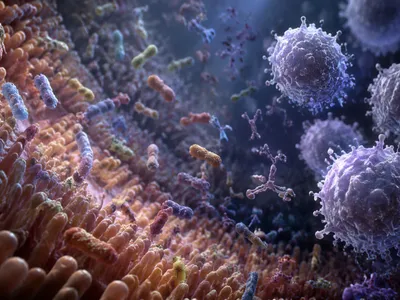
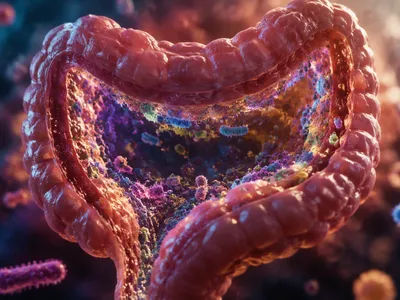
The human body is a complex ecosystem, hosting trillions of microorganisms that constitute the human microbiome. This collective genome of bacteria, archaea, fungi, and viruses is not a passive inhabitant but an active participant in host physiology. Research confirms its indispensable role in digesting dietary fibers, synthesizing essential vitamins like B12 and K, and educating the immune system from infancy.
Disruptions to this symbiotic balance, termed dysbiosis, are linked to a spectrum of chronic conditions beyond the gut.
The dialogue between host and microbiota involves sophisticated chemical signaling. Gut bacteria produce metabolites such as short-chain fatty acids (SCFAs) from fermentable fiber, which serve as both energy sources for colonocytes and potent immunomodulatory signals. These SCFAs help maintain intestinal barrier integrity and regulate systemic inflammatory responses, illustrating a direct mechanistic link between microbial metabolic output and human health.
The development of an individual's microbiome is a sequential process, beginning with critical foundational exposure during vaginal birth and through breastfeeding. Early-life environmental factors, including antibiotic use and diet, profoundly shape the community structure, with long-term implications for metabolic and immune programming. This period represents a key window where microbial perturbations can increase susceptibility to allergies, asthma, and obesity later in life, highlighting the microbiome's role in developmental trajectories.
The following table categorizes primary microbial niches in the human body and their core functional contributions to host homeostasis.
| Body Site | Dominant Phyla/Genera | Key Functions |
|---|---|---|
| Gastrointestinal Tract | Bacteroidetes, Firmicutes, Lactobacillus, Bifidobacterium | Food digestion, vitamin synthesis, immune regulation, pathogen exclusion |
| Skin | Actinobacteria, Staphylococcus, Corynebacterium, Malassezia | Barrier fortification, pH maintenance, defense against colonization |
| Oral Cavity | Streptococcus, Veillonella, Fusobacterium, Porphyromonas | Nitrate reduction, oral biofilm dynamics, initial digestive enzyme secretion |
| Respiratory Tract | Prevotella, Streptococcus, Moraxella, Haemophilus | Mucosal immunity training, competitive exclusion of pathogens |
Key modulators of the gut microbiome composition include dietary patterns, pharmacological interventions, and lifestyle factors. A high-fiber, plant-diverse diet consistently promotes microbial richness and SCFA production. Conversely, pervasive elements of modern life, such as processed foods, artificial sweeteners, and chronic stress, can negatively shift the microbial equilibrium.
Unseen Allies in Our Homes and Cities
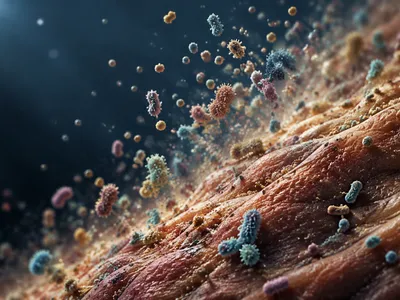
The built environment is a dynamic microbial habitat shaped by human activity, materials, and environmental exchange. Indoor microbiomes in homes, offices, and public transport are distinct from outdoor communities, dominated by human-sourced bacteria and fungi. Regular cleaning practices, ventilation rates, and the presence of pets or plants are primary determinants of this invisible ecosystem's composition and stability.
Microbial exposure in urban settings is a double-edged sword. Certain environmental microbes can be protective, contributing to immune system training and reducing atopic disease risk, a concept central to the 'hygiene hypothesis'. However, moisture-damaged buildings can harbor fungal genera like Stachybotrys, which pose significant respiratory health risks. Understanding this balance is key for public health and architectural design.
Materials used in construction possess distinct microbial ecologies. Porous materials like wood and textiles tend to support more diverse and stable microbial communities compared to non-porous surfaces like glass or stainless steel. These material-specific communities interact with human skin and respiratory microbiota through continuous exchange, influencing what is termed the 'occupant's microbial cloud'.
Urban green infrastructure, including parks, green roofs, and community gardens, introduces vital environmental microbiota into the city ecosystem. Exposure to soil and plant-associated microbes in these spaces has been correlated with reduced stress levels and improved iimmune markers in urban dwellers. This introduces a critical dimension to urban planning, where biodiversity conservation directly intersects with public microbial health and psychological well-being.
The table below contrasts microbial characteristics and influencing factors in different zones of the built environment.
| Environment Zone | Typical Microbial Sources | Major Influencing Factor | Potential Health Implication |
|---|---|---|---|
| Residential Kitchen & Bathroom | Human skin, gut, food, water | Cleaning frequency & products, moisture | Exposure to commensals or potential opportunists (e.g., Pseudomonas) |
| Office Ventilation Systems | Outdoor air, human resuspension | Filter maintenance, humidity control | Circulation of allergens or respiratory irritants |
| Public Transportation | High density of human occupants | Occupant turnover, surface materials | Rapid sharing of human-associated microbiota, including pathogens |
| Urban Green Spaces | Soil, plants, animals, air | Plant diversity, soil type, public access | Exposure to immunomodulatory environmental microbes; biodiversity benefit |
Modern disinfection practices, especially the widespread use of broad-spectrum antimicrobial cleaners, are under scrutiny for their potential long-term effects. While critical for controlling pathogens in healthcare, routine home use may disrupt beneficial microbial communities on surfaces and potentially select for resistant organisms. A more nuanced approach targets specific pathogens while preserving a stable, protective microbial background, akin to probiotic concepts for the home.
How Microbes Dynamics Impact Food Safety?
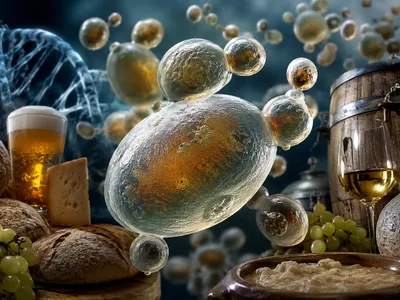
From fermentation to spoilage, food represents a dynamic and complex microbial habitat. The biochemical transformations driven by microorganisms are fundamental to producing staples like bread, cheese, yogurt, and fermented vegetables. These processes rely on controlled microbial succession, where specific bacteria or yeasts dominate sequential phases to create unique flavors, textures, and preservation qualities.
Food safety is fundamentally a microbiological challenge. Pathogens such as Salmonella enterica, Listeria monocytogenes, and certain strains of Escherichia coli exploit gaps in hygiene and temperature control. Their ability to form biofilms on industrial surfaces complicates eradication, making cross-contamination a persistent risk in supply chains from farm to fork.
The concept of the food microbiome extends beyond pathogens and starter cultures to include the entire microbial community associated with a product. The composition of this community is influenced by agricultural practices, including soil health and water quality, as well as post-harvest handling, processing, and packaging techniques. Metagenomic studies reveal that even pasteurized or processed foods carry a distinct microbial signature indicative of their production history.
Probiotic foods are a direct application of microbiological principles aimed at conferring a health benefit to the consumer. The efficacy of a probiotic depends on the strain's ability to survive gastric transit, adhere to intestinal mucosa, and exhibit clinically validated activity. Synbiotic products, which combine probiotics with prebiotic fibers, are designed to synergistically enhance the survival and metabolic activity of beneficial microbes within the gastrointestinal tract, representing a sophisticated manipulation of food ecosystems for therapeutic ends.
The table below outlines common fermented foods, their primary microbial agents, and the key metabolic processes responsible for their characteristics.
| Food Product | Primary Microbial Agents | Critical Metabolic Process |
|---|---|---|
| Yogurt & Kefir | Lactobacillus bulgaricus, Streptococcus thermophilus, Yeasts (Kefir) | Lactic acid fermentation, which lowers pH and coagulates milk proteins. |
| Sourdough Bread | Complex community of lactic acid bacteria and wild yeasts. | Mixed acid fermentation producing CO2 (leavening) and organic acids (flavor). |
| Kimchi & Sauerkraut | Succession of Leuconostoc, Lactobacillus, and Weissella species. | Natural lactic acid fermentation of vegetables in a brine, driven by sequential microbial dominance. |
| Cheese (Aged) | Starter cultures, followed by secondary molds and bacteria (e.g., Penicillium roqueforti). | Proteolysis and lipolysis during aging, generating complex flavor and aroma compounds. |
Modern food preservation technologies, including high-pressure processing and pulsed electric fields, aim to inactivate pathogenic and spoilage organisms while better preserving nutritional quality compared to thermal treatment. These technologies target microbial cellular structures, offering a tailored approach to food stabilization that acknowledges the diverse resistance mechanisms of different microbial species.