How Do Algorithms Shape Artistic Visibility?
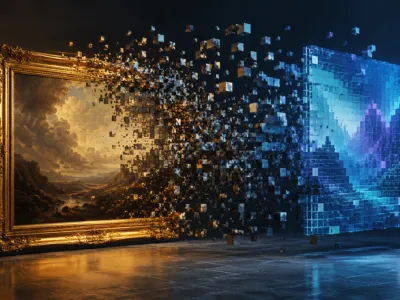
Social media platforms use advanced algorithms that prioritize content based on engagement, shaping which artistic styles achieve visibility. This computational gatekeeping produces feedback loops, where artworks designed for immediate appeal gain disproportionate exposure, sidelining more contemplative practices and encouraging artists to adapt to algorithmic preferences.
Scholarly research shows that engagement-based ranking acts as a hidden curator, favoring viral aesthetics over conceptual depth and transforming artistic merit into measurable interaction metrics. The algorithmic gaze now often exerts more influence than traditional critics, with the platform becoming the patron in this evolving cultural economy.
Aesthetic Democratization
Platforms like TikTok and Pinterest have dismantled traditional gatekeeping structures, allowing amateur creators to achieve global visibility without institutional validation.
This shift has diversified the pool of influential artists, bringing regional styles and non-Western perspectives into mainstream discourse.
The resulting aesthetic landscape reflects a crowd-sourced sensibility where popularity metrics overshadow critical acclaim. While this democratization fosters inclusivity, it also introduces a new form of algorithmic gatekeeping that privileges content optimized for rapid consumption, often at the expense of nuanced artistic expression. The very mechanisms that democratize access simultaneously impose their own form of homogenized visibility.
Viewer Becomes Creator
Social media turns passive viewers into active participants who shape artistic production through comments, shares, and derivative works. Audiences now remix, reinterpret, and challenge originals, blurring traditional lines between creator and consumer.
This participatory dynamic fosters collaborative art forms where community feedback guides iterative creation and remix culture emerges as a recognized mode of artistic expression. Authority disperses across networks rather than residing solely with the originating artist, fundamentally reshaping authorship and intellectual property in the digital age.
A key mechanism driving this transformation is the rise of interactive formats that invite direct audience intervention.
- Duet and stitch features on TikTok that allow direct visual dialogue with original content
- Collaborative playlists and shared mood boards that function as collective curatorial acts
- Comment-section critiques that influence artists’ subsequent stylistic decisions
- Crowdsourced funding models where patrons co-determine project trajectories
Can NFTs Really Empower Artists?
Non-fungible tokens (NFTs) introduced blockchain-based digital scarcity, offering artists autonomy from traditional galleries. However, speculative trading often eclipses artistic intent, favoring attention-grabbing aesthetics optimized for social media, while the blockchain infrastructure raises environmental and accessibility issues, making digital ownership a commodity in this unpredictable market.
| Promise | Paradoxical Reality |
|---|---|
| Artist sovereignty | Dependence on platform visibility and gas fees |
| Perpetual royalties | Market saturation and speculative volatility |
| Global audience access | Concentration among wealthy collectors |
Scholars highlight how the tokenization of art replicates rather than resolves existing power asymmetries, with platform capitalism extending its reach into previously autonomous creative domains. The result is a deeply contradictory moment where technological innovation simultaneously empowers and constrains artistic practice.
Has Virality Killed Authenticity?
The demand for algorithmic virality pressures creators into performative gestures that mimic intimacy while maximizing engagement metrics, producing a new category of performative authenticity where artistic credibility becomes a carefully manufactured commodity rather than an organic expression. Critics argue that the relentless optimization for shareability fragments artistic identity into discrete, high-impact moments stripped of context or vulnerability. Authenticity as algorithmic construct thus replaces genuine self-expression with a market-driven simulation, yet some scholars counter that this very tension exposes long-standing contradictions in how authenticity has always been negotiated within mediated cultural production.