The Human Microbiome Mosaic
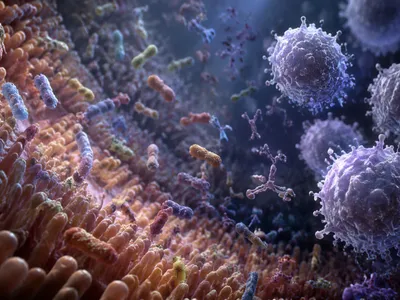
The human body is not a singular organism but a complex superorganism composed of trillions of microbial cells. These communities, our microbiome, form a dynamic and personalized ecological network that is integral to physiological function.
Each bodily habitat—skin, gut, oral cavity—hosts a distinctly adapted consortium. This spatial partitioning creates specialized niches where bacteria, archaea, fungi, and viruses interact in a delicate balance.
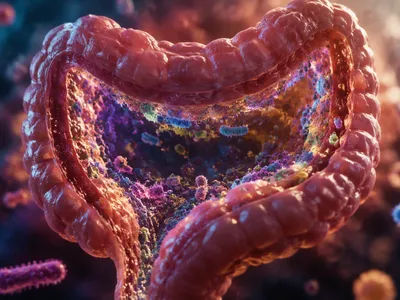
The gastrointestinal tract represents the most dense and metabolically active microbial reservoir, directly influencing host immunity, nutrient metabolism, and even neural signaling through the gut-brain axis. Longitudinal studies reveal that while a core set of microbial functions is conserved, taxonomic composition is highly individualized, shaped from birth by mode of delivery and early life exposures. This personal microbial fingerprint exhibits remarkable resilience yet remains vulnerable to perturbation.
The functional output of these communities is often more significant than their species list. Key metabolic pathways for digesting dietary fibers, synthesizing vitamins like B12 and K, and transforming bile acids are performed by consortia working in concert, a concept known as functional redundancy.
- 🧴 Skin: Acts as a primary barrier, with sebaceous, moist, and dry regions each fostering unique phyla like Actinobacteria and Firmicutes.
- 🦷 Oral Cavity: A hotspot for microbial diversity where pioneer species condition surfaces for subsequent colonizers, influencing oral health.
- 🦠 Gut: Dominated by anaerobes such as Bacteroidetes and Firmicutes, crucial for fermenting indigestible polysaccharides into short-chain fatty acids.
Urban Microbiomes and Public Health
The city functions as a vast, interconnected metaorganism, where human activity and infrastructure create unique microbial landscapes. Public health is intimately linked to the composition and stability of these urban ecosystems.
Mass transit systems, waterways, and public parks act as conduits and reservoirs for microbial exchange. This constant flow connects individuals to a shared microbial pool, influencing population-level health outcomes.
Green infrastructure, such as parks and urban gardens, introduces soil- and plant-associated microbes that can increase overall environmental microbial diversity. Exposure to this broader biodiversity may be a critical factor in modulating immune system function and reducing inflammatory disorders, supporting aspects of the old friends hypothesis.
Indoor public spaces like hospitals, gyms, and schools present specific challenges due to high occupant density and frequent surface contact. These environments can become enrichment zones for antimicrobial resistance genes, facilitating their transfer between commensal and pathogenic bacteria. The management of these spaces increasingly considers microbial community dynamics, moving beyond pathogen-centric cleaning to strategies that foster healthier microbial profiles. This paradigm shift recognizes that eliminating all microbes is impossible and potentially detrimental, aiming instead for a balanced microbial stewardship approach in shared urban infrastructure.
The Microbial Ecology of Digital Devices
Smartphones, tablets, and keyboards represent a novel and intimate class of personal ecosystems. These devices experience constant tactile contact and proximity to the face, creating a unique microbial niche.
Their microbial assemblages are a direct reflection of the user's personal microbiome, contaminated from hands and breath, combined with environmental picks up from various surfaces. Device material, temperature from holding and charging, and frequency of use all shape this high-touch biome.
Research consistently shows that mobile phones harbor a condensed signature of their owner's skin and oral microbiota, dominated by genera like Staphylococcus, Streptococcus, and Corynebacterium. The warm, static environment of a pocket or handbag provides a stable microclimate for community persistence. While potential pathogens including methicillin-resistant Staphylococcus aureus (MRSA) and Escherichia coli are occasionally detected, their presence does not necessarily equate to active transmission risk. The ecology is heavily influenced by indiviidual hygiene practices, with cleaning frequency acting as a major periodic disturbance. The development of antimicrobial surface coatings attempts to disrupt biofilm formation but may also drive selection for resistant species, creating a long-term ecological trade-off.
The table below summarizes the characteristic microbial profiles associated with common personal digital devices, highlighting primary sources and notable constituents.
| Device Type | Primary Contact Source | Dominant Bacterial Genera | Notes on Community Stability |
|---|---|---|---|
| Smartphone Touchscreen | Fingertips, Ear/skin, Saliva aerosols | Staphylococcus, Propionibacterium, Malassezia (fungus) | High temporal stability, closely mirrors owner's skin microbiome over time. |
| Computer Keyboard/Mouse | Fingertips, Palm | Streptococcus, Corynebacterium, Enterococcus | Often shows higher diversity due to multiple users or consumption of food at desks. |
| Tablet with Stylus | Fingertips, Stylus (plastic) | Skin flora mixed with environmental Acinetobacter, Pseudomonas | Stylus tip can harbor distinct communities from the screen, acting as a separate niche. |
| Wearable Fitness Tracker | Wrist skin, Sweat | Staphylococci, Micrococcus, Salt-tolerant Corynebacteria | Exposed to sweat-derived nutrients and salts, selecting for osmotolerant species. |
Diet as a Primary Microbial Modulator
Dietary patterns exert a profound and rapid influence on the gut microbial ecosystem. The macronutrient and fiber composition of food directly selects for bacterial taxa with the enzymatic machinery to utilize specific substrates.
Long-term dietary habits, such as high adherence to a Mediterranean or plant-based diet, are associated with a more diverse and stable microbial community. This diversity is frequently linked to positive health outcomes, including reduced systemic inflammation.
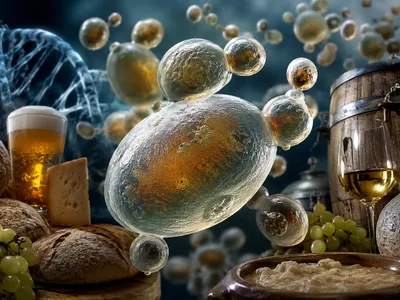
Fermented foods represent a unique category, introducing both live microorganisms and their metabolic byproducts, such as lactic acid. Regular consumption can temporarily increase microbial richness and reduce markers of inflammation, though sustained effects require continual intake.
The impact of diet is mediated through microbial metabolites. A high-fiber diet promotes the fermentation of non-digestible carbohydrates into short-chain fatty acids (SCFAs) like butyrate, propionate, and acetate. These SCFAs serve as crucial energy sources for colonocytes and possess immunomodulatory and anti-inflammatory properties. Conversely, diets high in saturated fats and simple sugars can promote a dysbiotic state characterized by increased endotoxin-producing bacteria and a reduction in SCFA production. This metabolic shift can compromise intestinal barrier integrity, leading to metabolic endotoxemia, a low-grade inflammatory state implicated in the pathogenesis of obesity and insulin resistance. The plasticity of the gut microbiome allows for significant dietary intervention, but individual responses vary based on baseline microbiota composition.
- 🌱 Prebiotics: Non-digestible food ingredients (e.g., inulin, resistant starch) that selectively stimulate the growth or activity of beneficial commensal bacteria.
- 🦠 Probiotics: Live microorganisms which, when administered in adequate amounts, confer a health benefit by transiently modulating the gut community and host immunity.
- 🧪 Postbiotics: Bioactive compounds produced by food-grade microorganisms during fermentation, including cell wall fragments and metabolic byproducts with health benefits.