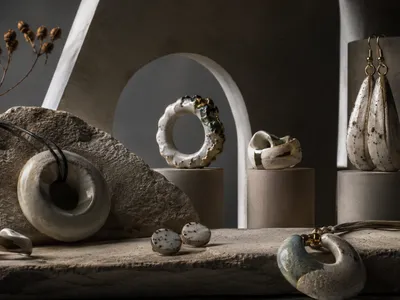
Ceramic Art Through Digital Fabrication and Mixed Materials
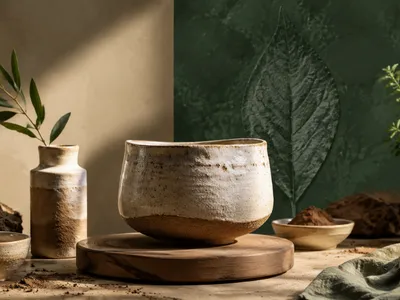
The current trajectory of ceramic art is defined by a profound interrogation of materiality itself. Artists are moving beyond clay's traditional associations, employing it as a core component in complex multi-material assemblages that challenge categorical boundaries.
This practice integrates industrial elements, textiles, and found objects, reframing ceramics within a broader sculptural and conceptual dialogue about substance and presence in the modern world.
The adoption of digital fabrication tools, particularly 3D printing with ceramic substrates, has fundamentally altered formal possibilities and studio workflows. This technological integration facilitates the creation of forms with intricate, algorithmically-generated geometries that were previously impossible to construct by hand. However, rather than rejecting the manual, many practitioners engage in a hybrid methodology, where digital precision is thoughtfully combined with intentional manual intervention. This convergence critiques both the perceived coldness of technology and the romanticism of pure craftsmanship, proposing a new synthesis of the technical and the tactile. The resulting work often explores themes of reproduction, modularity, and the digital fingerprint within a physical, earthy medium.
Glaze Chemistry and Atmospheric Firing in Ceramic Art
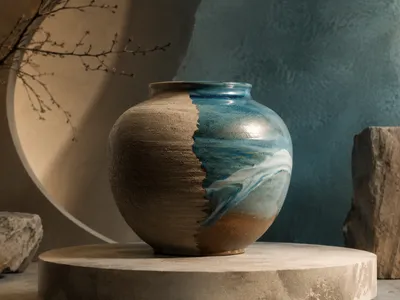
Surface treatment and glaze application have evolved from decorative finish to primary carrier of artistic narrative. There is a marked resurgence in investigating historical glaze formulas and localized material sourcing, driven by a desire for authenticity and unique textural outcomes.
This scholarly approach to glaze chemistry empowers artists to develop signature palettes and surfaces that act as a direct, material extension of their conceptual frameworks, moving far beyond mere aesthetic choice.
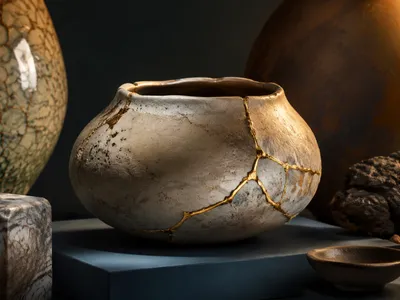
Experimentation with volatile firing processes, such as soda vapor glazing and wood firing, is central to this trend. The unpredictable, atmospheric effects achieved in these kilns—where flashing, ash deposits, and carbon trapping occur—are highly prized. This embrace of chance and the inherent qualities of fire references East Asian ceramic traditions while being framed through a contemporary lens. The surface becomes a recorded document of its own making, a captured moment of transformation that cannot be fully replicated. This focus champions a material truth and celebrates the unique imperfections and visceral qualities that define the haptic visuality of contemporary studio ceramics.
Ancestral Echoes in Modern Practice
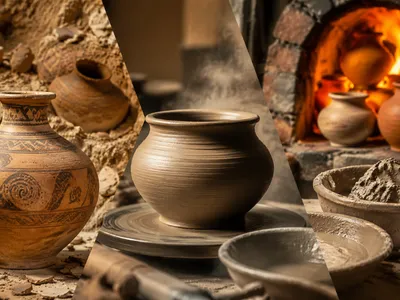
A significant movement within contemporary ceramics involves the critical and respectful engagement with ancestral techniques and cultural patrimony. This is not mere replication but a sophisticated decolonial praxis, where artists recontextualize inherited forms and methods to address present-day identities and histories.
This work often involves deep material research, such as sourcing local clays or reconstructing ancient firing pits, to forge a tangible link to place and predecessor. The studio becomes a site for living tradition, where knowledge is not preserved statically but actively evolved through a contemporary sensibility.
Artists engaged in this dialogue frequently navigate complex issues of authorship, cultural appropriation, and authenticity. Their work can act as a form of cultural reclamation, asserting the vitality and relevance of indigenous knowledge systems within the fine art canon. This process often results in hybrid objects that speak multiple visual languages, where a traditional coil-built vessel form might be inscribed with contemporary graphic symbols or glazed in a disruptive, non-traditional palette. The power of this approach lies in its capacity to bridge temporal divides, making the past a resonant and active participant in conversations about globalization, displacement, and heritage. It transforms ceramic practice into a critical medium for exploring memory and material continuity.
The methodologies underpinning this trend can be categorized into several key approaches.
- 🔧 Technological Reinterpretation: Applying modern tools, like digital scanning or electric kilns, to ancient forms and decorative motifs.
- 🌿 Bioregional Materialism: A committed use of locally-sourced, raw materials to connect the artwork directly to its geographic and cultural origin point.
- 📖 Narrative Re-inscription: Using traditional vessel forms as canvases for telling new, often personal or political, stories that challenge historical silences.
- 🤝 Collaborative Ethnography: Working directly with community elders and cultural bearers to ensure practices are engaged with ethically and knowledge is shared reciprocally.
A Global Marketplace Driven by Digital Platforms and Aesthetic Desire
The digital landscape has irrevocably transformed the economic and discursive ecosystems for ceramic artists, creating a borderless marketplace. Online platforms dedicated to craft and direct artist-to-consumer sales have democratized access, allowing makers to sustain practices outside traditional gallery systems.
Simultaneously, social media aesthetics, particularly the rise of visual-centric platforms, have catalyzed specific stylistic trends. The widespread circulation of images promoting a warm, minimalist domestiicity has fueled international demand for hand-thrown tableware and organic, neutral-toned vessels. This digital visibility creates a feedback loop where viral aesthetic movements, such as the embrace of wabi-sabi imperfections or cottagecore nostalgia, directly influence studio production worldwide. The economy of desire now operates at a viral scale, with algorithmic curation on platforms like Instagram shaping collector tastes and creating micro-genres of ceramic style that transcend local artistic scenes.
Sustainability and Ethical Creation in the Studio
The ecological footprint of ceramic practice is under intense scrutiny, leading to a paradigm shift toward sustainable methodologies. Studio operations are being re-engineered to minimize energy consumption and waste, with a focus on closed-loop systems that recycle water and reclaim raw materials.
This environmental ethics extends to the social dimension of the studio, promoting fair labor practices and community engagement as core artistic values, not peripheral concerns.
The movement champions localism, from sourcing regionally specific clays to utilizing renewable biomass for alternative firing methods. This bioregional approach reduces transportation emissions and fosters a deeper connection between the artwork and its place of origin. A significant technical advancement is the development and adoption of low-fire and mid-range clay bodies that mature at significantly lower temperatures than traditional stoneware or porcelain, dramatically cutting kiln energy use. Furthermore, the revival of pit-firing and other primitive techniques offers a carbon-neutral alternative to electric or gas kilns. These practices collectively represent a profound material ethics, positioning the ceramic artist not just as a maker, but as an environmental steward responsible for the entire lifecycle of their work.
Key metrics for a sustainable ceramic studio can be organized into the following framework.
| Area of Impact | Sustainable Practice | Measurable Benefit |
|---|---|---|
| Energy Management | Use of high-efficiency kilns, solar kilns, optimal firing schedules | Reduction in kWh consumption per firing cycle by up to 40%. |
| Material Sourcing & Waste | Local clay procurement, comprehensive clay & glaze recycling programs | Diverting nearly 100% of studio clay waste from landfills. |
| Water Conservation | Installing settling tanks for wheel runoff, reusing process water | Cutting municipal water usage in throwing processes by over 70%. |
| Chemical Management | Phasing out toxic heavy metal glazes, implementing safe disposal protocols | Eliminating cadmium, lead, and barium from studio effluent. |