Material Alchemy and Textural Narratives

Contemporary interior design has transcended the mere visual application of materials, entering a phase of material alchemy where ceramics are valued for their tangible, haptic qualities. This trend moves beyond flat, polished surfaces to celebrate dimensionality, roughness, and the innate character of clay. Designers are strategically deploying ceramic elements to craft a textural narrative within a space, where touch becoms as integral to the experience as sight, influencing both perception and ambiance.

The renewed focus on texture is a direct response to the digital saturation of modern life, seeking to reintroduce authenticity and sensory grounding. Architectural ceramics, such as hand-formed bricks, rippled wall cladding, and three-dimensional tiles, create plays of light and shadow that change throughout the day. This tactile dimensionality is not merely decorative; it actively shapes the acoustics and atmospheric quality of an interior, adding a layer of phenomenological depth that flat materials cannot achieve.

Textural Type Common Ceramic Forms Spatial & Psychological Impact
Rugose & Coarse Unglazed brick, terracotta, grogged stoneware Evokes earthiness, stability, and rustic warmth; grounds a space.
Rippled & Organic Hand-pinched tiles, curved wall panels Creates dynamic light interplay, adds movement and softness.
Geometric & Faceted 3D porcelain tiles, modular sculptural units Introduces visual rhythm, modern elegance, and structural intrigue.

This narrative is further enriched by the inclusion of composite materialities, where ceramic is paired with contrasting elements like smooth wood, polished metal, or raw concrete. The intentional juxtaposition highlights the unique textural voice of ceramics, positioning it not as a mere backdrop but as an active, storytelling component in the architectural ensemble. The result is an environment that engages multiple senses, fostering a deeper, more memorable connection between the occupant and the space.

The Glaze Spectrum

Glaze technology and aesthetics are undergoing a renaissance, expanding the designer's palette far beyond traditional glossy finishes. The current spectrum celebrates experimental surfaces—from matte and limewash effects to crystalline and metallic lusters—that alter both color perception and light reflection. This shift allows for nuanced expression, where the glaze itself becomes a focal point of artistic and technical achievement.

Glaze Finish Key Characteristics Ideal Application Contexts
Matte & Chalky Non-reflective, soft, highly tactile Minimalist spaces, wellness areas, creates a calming, diffuse light.
Crystalline & Volcanic Complex crystalline formations, pitted surfaces Feature walls, artistic statements, adds geologic drama.
Luster & Iridescent Color-shifting, pearl-like sheen, light-reactive Accent elements, luxury interiors, introduces ephemeral quality.

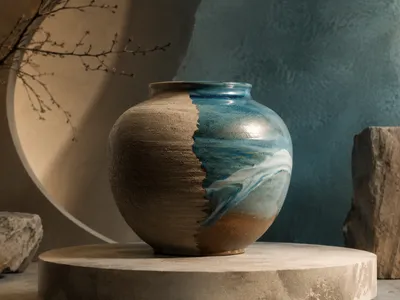
A particularly significant trend is the embrace of variable glaze application. Techniques like dripping, brushing, and partial glazing highlight the hand of the maker, introducing an element of controlled unpredictability. This challenges industrial perfection, offering a surface that reveals depth and variation upon closer inspection, thereby encouraging engagement and discovery within the interior landscape.

Furthermore, the innovation in glaze chemistry supports enhanced functionality. The development of ultra-durable, stain-resistant matte finishes and photocatalytic glazes that actively purify air merges aesthetic appeal with pragmatic performance. This dual nature ensures that the chosen glaze contributes to the long-term sustainability and maintenance profile of the space, a critical consideration in commercial and high-traffic residential designs.

Sustainable Ceramics and Eco-Conscious Design

The paradigm of sustainability has fundamentally reshaped material selection, propelling ceramics into the spotlight through innovations in eco-efficient production and lifecycle analysis. This shift addresses the historically energy-intensive nature of traditional firing processes by integrating recycled content (post-industrial and post-consumer waste) into clay bodies and pioneering lower-temperature firing technologies that significantly reduce carbon footprints. The narrative extends beyond the product to encompass ethical sourcing of raw materials and closed-loop manufacturing systems.

Architects and specifiers now rigorously evaluate the Environmental Product Declaration (EPD) of ceramic tiles and elements, considering factors such as embodied carbon, durability, and end-of-life recyclability. High-performnce ceramics excel in this assessment due to their inert nature, resistance to degradation, and minimal maintenance requirements over decades, which amortizes their initial environmental cost. This positions ceramic not just as a surface finish but as a long-term investment in the building's ecological and functional integrity.

  • Material Innovation: Development of bio-based glazes, clays with high recycled ceramic content (up to 70%), and photocalytic tiles that reduce airborne pollutants (NOx).
  • Process Optimization: Adoption of kilns powered by renewable energy, heat recovery systems, and water recycling in production facilities, setting new industry benchmarks.
  • Certification & Transparency: Growing demand for Cradle to Cradle (C2C) certification and Type III EPDs, which provide verifiable, science-based data on environmental impact.

This holistic, eco-conscious approach is intrinsically linked to biophilic design principles. The use of unglazed, natural clay products—such as terracotta and stoneware—directly connects interiors to the elemental earth, fostering wellbeing. Consequently, sustainable ceramics are no longer a niche alternative but a central criterion in responsible design, driven by regulatory frameworks, green building certifications (LEED, BREEAM), and a profound shift in professional ethics towards planetary health.

Beyond the Wall and Floor

The application of ceramics has dramatically expanded from conventional planes into the realm of architectural features and functional art. This trend sees ceramic materials being engineered and sculpted for uses that challenge their traditional perceptions, including ceilings, bespoke furniture, and monolithic architectural elements.

Innovative Application Technical & Aesthetic Considerations Design Impact
Ceiling Cladding & Canopies Requires lightweight engineered panels and secure mechanical fixing systems. Offers acoustic modulation and reflective/absorbent qualities. Creates immersive volumetric experiences, draws the eye upward, and defines zones within open plans.
Integrated Ceramic Furniture Utilizes high-strength, thin porcelain slabs for tabletops, benches, and countertops. Demands precise fabrication for edges and joins. Provides seamless material continuity, exceptional durability, and a unique tactile presence in custom millwork.
Sculptural Room Dividers Laser-cut or molded ceramic screens and partitions that play with transparency, opacity, and pattern. Offers spatial delineation without visual heaviness, filters light, and serves as a focal art piece.

This expansion is facilitated by technological advancements in material engineering, such as the development of large-format, ultra-thin, yet highly flexible porcelain slabs. These materials can be curved, layered, and fabricated with unprecedented precision, allowing designers to conceive of ceramic surfaces as continuous, wrapping skins rather than fragmented tiles. The result is a more holistic and immersive application where ceramic defines the very spatial geometry and experiential quality of an interior, blurring the lines between strcture, surface, and furnishing.

Furthermore, the integration of ceramics into lighting design—through pierced screens that cast intricate shadows or translucent porcelain pendant lights—exemplifies its versatility. This multifaceted approach not only maximizes the functional and aesthetic return on a single material palette but also pushes the boundaries of interior architecture, encouraging designers to think of ceramic as a primary, multi-dimensional building block for creative expression.

Artisanal Imperfection and the Wabi-Sabi Influence

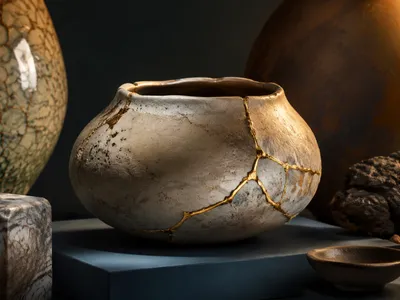
A profound counter-movement to industrial uniformity is the embrace of artisanal imperfection, deeply informed by the Japanese philosophy of wabi-sabi. This aesthetic values authenticity, transience, and the beauty inherent in irregularity, asymmetry, and the honest marks of the making process. In ceramics, this translates to surfaces that celebrate finger marks, intentional cracking (craquelure), glaze pooling, and unpredictable kiln effects, each piece becoming a unique artifact with a narrative of its own creation.

This trend is not a mere stylistic choice but a philosophical stance against mass-produced perfection, seeking to reintroduce human warmth and temporal depth into interiors. Designers and clients are increasingly drawn to one-off studio pieces or limited-edition series where the variability is a feature, not a flaw. Such elements act as focal points that anchor a space in material truth, fostering an atmosphere of calm, introspection, and connection to natural processes, as they visually acknowledge the passage of time and the hand of the craftsperson.

  • Asymmetry & Irregularity: Non-repeating patterns, organic free-form shapes, and uneven edges that break the monotony of modular grids.
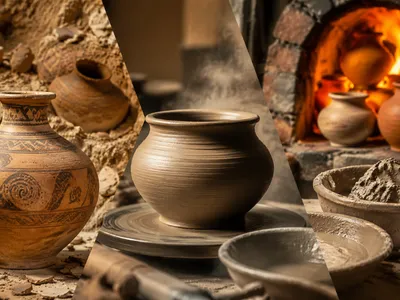
  • Texture from Process: Preserving throwing lines, hand-pinching marks, or raw, unglazed clay bodies that highlight the material's origin.
  • Embracing Flux: Glazes that react uniquely in each firing, producing volcanic textures, crystals, or ash deposits that cannot be perfectly replicated.

The integration of these imperfect ceramic objects requires a nuanced design approach. They function best in a state of curated contrast, juxtaposed with sleek, minimalist architecture or precise millwork. This dialogue between the refined and the raw heightens the sensory and emotional impact of both, creating a balanced tension. Ultimately, the wabi-sabi influence through ceramics offers a potent antidote to the sterility of hyper-modern spaces, providing a tangible link to craftsmanship, nature, and the serene acceptance of life's inherent imperfections, thereby enriching the lived experience within the designed environment.
Curating Cohesive Material Dialogues

The ultimate sophistication in contemporary ceramic application lies not in its isolated use, but in its intentional material curation within a broader palette. This involves a strategic and sensitive orchestration of ceramics alongside complementary materials like wood, metal, stone, glass, and textiles to create a unified yet dynamic spatial composition.

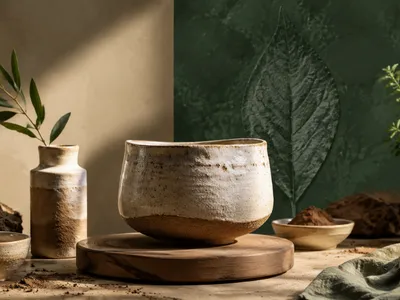
Successful curation is guided by principles of contrast and harmony, considering texture, tone, reflectivity, and thermal quality. A smooth, glossy ceramic tile might be paired with rough-hewn timber to accentuate the warmth and grain of the wood, while a matte, textural brick might be contrasted with sleek, polished brass fittings. This thoughtful pairing ensures that each material's inherent qualities are elevated, creating a synergistic relationship that is greater than the sum of its parts, and establishing a clear, multi-sensory narrative throughout the interior.

Advanced design thinking extends this dialogue to include the perceptual and emotional weight of materials. For instance, the cool, solid tactility of ceramic flooring can be deliberately softened with expansive, plush area rugs, addressing both physical comfort and visual hierarchy. Similarly, the verticality of a ceramic feature wall can be grounded by a continuous stone plinth or warmed by integrated wooden shelving. This layered approach requires a deep understanding of material properties and user experience, moving beyond swatch matching to create immersive environments where the material transitions feel intentional, rhythmic, and inherently logical.

  • Contrast by Texture: Pairing high-gloss ceramic with raw linen or bouclé upholstery to create a compelling tactile journey.
  • Harmony through Tone: Selecting ceramic glazes that share undertones with adjacent natural stone or stained wood for a seamless flow.
  • Rhythm with Scale & Pattern: Using large-format ceramic plains to balance intricate, small-scale metal detailing or fabric patterns.

The role of lighting in this curation cannot be overstated, as it is the final modulator of the material dialogue. Directional lighting can graze a textured ceramic wall to dramatically enhance its three-dimensionality, while diffuse ambient light can soften the appearance of a bold, patterned tile. The reflective or absorptive qualities of different ceramic finishes are key considerations in the lighting design scheme, ensuring the material palette is presented at its most expressive at all times of day and under various artificial lighting conditions, cementing ceramics' role as a fundamental, interactive component of a holistic interior vision.