How Can Public Art Transform Neglected Urban Spaces?
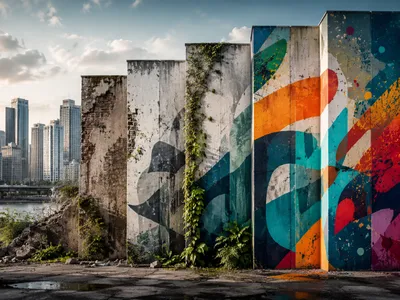
Large-scale public art interventions fundamentally alter the perception of derelict urban zones. A blank, crumbling wall becomes a deliberate focal point, shifting the narrative from neglect to intentionality.
This visual upgrade serves as a powerful antidote to the stigma attached to forgotten neighborhoods. The sudden presence of vibrant imagery on deteriorated public surfaces signals a break from decline.
The psychological impact extends beyond mere decoration, acting as a catalyst for what urban sociologists describe as the "broken window theory" in reverse. Where neglect invites further neglect, the introduction of high-quality art suggests a space that is watched over and valued, thereby discouraging vandalism and littering. This transformation turns anonymous, stigmatized, forgotten areas into distinct places with a renewed identity, fostering a sense of safety and possibility among residents and visitors alike. The mural becomes a physical marker of community investment and a powerful symbol that the area is on an upward trajectory.
Fostering Social Cohesion and Pride
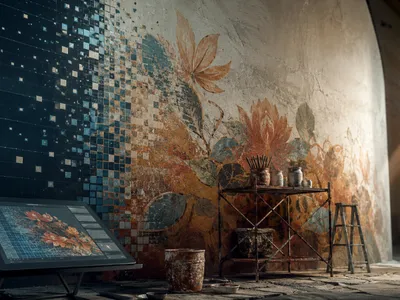
Murals often arise from community workshops and dialogues, turning the creative process into a catalyst for social cohesion by uniting diverse residents who might otherwise remain disconnected. The completed artwork serves as a shared emblem of collective identity, narrating a story that resonates with the community and fostering a tangible sense of belonging.
When residents see their history, struggles, and faces reflected on a neighborhood wall, it validates their experiences and reinforces their connection to the place. This process of co-creation, where local voices are not just consulted but are integral to the artistic vision, builds profound pride of place. The mural acts as a catalyst for intergroup dialogue, breaking down social barriers as people work side-by-side towards a common aesthetic goal, ultimately weaving a tighter social fabric in areas often characterized by transience and fragmentation.
This newfound pride often translates into tangible actions, as residents become more proactive in maintaining not just the mural but the surrounding environment. They begin to view public spaces differently, organizing clean-ups or reporting issues, thereby reinforcing the cycle of care. The art effectively empowers the community, giving them a stake in the neighborhood's image and future. This sense of ownership is a ccritical component in reversing long-term decline, as it mobilizes local stewardship and encourages residents to become active guardians of their shared environment. The wall is no longer just a wall; it is a testament to their collective agency.
How Can Murals Drive Local Economic Revitalization?
Beyond the social and psychological dimensions, mural projects act as catalysts for economic revitalization. The improved aesthetics directly attract new visitors and potential investors to previously overlooked districts.
Local businesses often report increased foot traffic and sales following a mural installation. Cafés, boutiques, and galleries see a surge in customers drawn by the area's renewed cultural appeal.
This economic uplift manifests in measurable ways, particularly in property values and commercial rents. While this can sometimes lead to concerns about gentrification, strategic planning can help channel new investments to benefit existing residents. The following table outlines the primary economic beneficiaries typically observed in neighborhoods transformed by public art.
| Stakeholder Group | Primary Economic Benefit | Example Impact |
|---|---|---|
| Local Small Businesses | Increased revenue & customer base | 30-40% rise in weekend sales post-mural |
| Property Owners | Elevated asset value | Steeper appreciation than city average |
| Municipal Government | Higher tax revenue | Increased property and sales tax collection |
| Artists & Creatives | New commissions & visibility | Opportunities for future public art projects |
The infusion of cultural capital encourages further investment in infrastructure and amenities. Property owners are more inclined to upgrade their buildings, and city authorities may prioritize street repairs and improved lighting in these newly vibrant zones. This cycle of investment creates a tangible economic multiplier effect, where the initial artistic intervention generates broader financial activity. The area begins to be perceived not as a liability, but as an emerging cultural district with genuine economic potential. This shift in perception is crucial for attracting the sustained investment needed for long-term revival, moving the neighborhood beyond a single project toward sustained economic health.
Moreover, murals can stimulate local entrepreneurship and job creation within the creative sector. New businesses such as art supply stores, print shops, and design studios may emerge to support the growing artistic ecosystem. Guided mural tours and related cultural events create employment opportunities for local residents as guides or event coordinators. This diversification of the local economy makes it more resilient and less dependent on any single industry, fostering a sustainable economic base rooted in the creative economy.
How Does Community Participation Shape Public Art?
The impact of murals is largely determined by the participatory process behind them. Projects imposed from the top down may produce visually striking images but often fail to resonate with the community. In contrast, genuine engagement—where residents help shape the narrative and content—ensures the artwork reflects local identity, fostering deeper ownership and authenticity.
Examining the spectrum of engagement reveals critical distinctions in how mural projects unfold and impact neighborhoods. The level of community involvement directly correlates with the long-term success and acceptance of the artwork. A purely artist-driven vision, while aesthetically impressive, may not address the specific cultural or historical nuances of the place. In contrast, a socially engaged practice prioritizes dialogue and shared decision-making, transforming the mural from a mere object into a dynamic community process. This distinction is crucial for practitioners and policymakers aiming to harness murals for genuine, sustainable neighborhood development.
Each model carries distinct implications for authenticity, community ownership, and the project's ultimate impact on social cohesion. The choice of model often depends on funding structures, timelines, and the stated goals of the sponsoring organization. However, projects that prioritize deep engagement tend to yield more resilient outcomes, as the community develops a protective and custodial relationship with the finished work. This sense of shared authorship is what transforms a painted wall into a genuine community asset. Understanding these dynamics is essential for ensuring that mural interventions contribute to genuine and sustainable transformation rather than superficial beautification.
The following list outlines different models of community participation observed in urban mural projects, ranging from minimal consultation to full community-led initiatives.
- 💬 Consultative Model: Artist seeks community input but retains final creative authority.
- 🤝 Collaborative Model: Artist and community members co-design and co-create the mural.
- 🏘️ Community-Led Model: Residents initiate and lead the project, hiring artists as facilitators.
- 🎓 Youth-Apprenticeship Model: Local youth are trained and paid to assist professional artists.
- 🗣️ Dialogical Model: Ongoing community conversations shape an evolving, process-based artwork.
These participatory frameworks directly influence the mural's capacity to address deeper issues of social equity and representation. When marginalized communities are empowered to tell their own stories publicly, the mural becomes a tool for advocacy and visibility. It can challenge dominant narratives and assert the community's right to shape its own image. This empwerment dimension is often overlooked in purely aesthetic evaluations of public art, yet it constitutes the core of its transformative potential. The process, therefore, is not merely a means to an end but an integral part of the outcome itself, building social infrastructure alongside artistic expression.
More Than Just Aesthetics
The transformation catalyzed by murals ultimately transcends the visual, embedding itself in the social infrastructure of the neighborhood. These artworks function as durable platforms for dialogue, memory, and collective aspiration long after the paint dries. The true measure of their success lies not merely in enhanced property values or tourist footfall, but in the strengthened civic muscles they help build—the capacity for residents to organize, advocate, and imagine a shared future. This deeper impact transforms a painted wall into a genuine community anchor.
Recognizing murals as catalysts for holistic regeneration requires a shift from viewing them as isolated beautification projects to understanding them as components of comprehensive urban strategy. When integrated with investments in housing, public safety, and local services, their catalytic potential is amplified. The most successful interventions are those that empower residents as co-authors of their environment, ensuring that the narrative of renewal is not imposed but emerges organically from within. In this sense, the mural becomes both a mirror reflecting community identity and a window into its future possibilities.