Dematerialization and the Fluid Nature of Digital Art
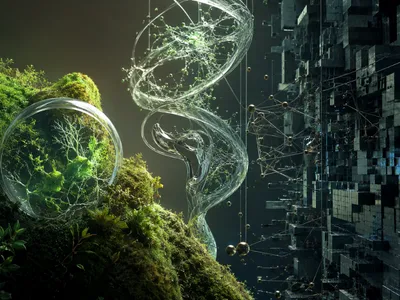
Digital art fundamentally challenges the traditional conception of an art object as a unique physical entity. Its existence is predicated on binary code and mathematical instructions rather than inert matter like paint or stone.
This dematerialization introduces a state of fluid permanence, where the artwork can exist in multiple versions and formats simultaneously. The core artifact is not a static output but the underlying, mutable data. The artwork's essence thus becomes procedural and informational, not tied to a single physical instantiation. This represents a profound ontological break from centuries of artistic practice.
Deconstructing the Artist's Hand
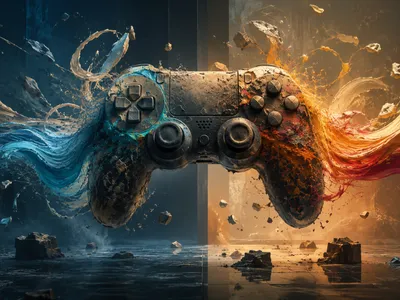
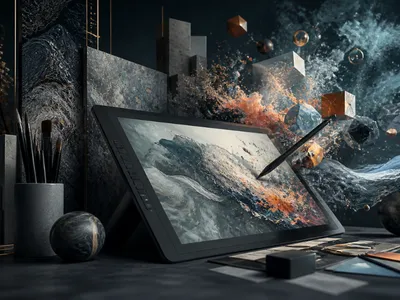
The Romantic ideal of the artist's unique hand and touch is disrupted by digital tools. Software functions like filters, brushes, and undo buttons mediate creation.
Artistic agency is redistributed among the creator, the software's programmed logic, and often, user input or data sets.
This collaboration with intelligent systems questions where authorship truly resides. Is it with the programmer who designed the tool, the artist who wields it, or the algorithm that generates unpredictable outcomes? The creative process becomes a dialogue with non-human actors.
The following table contrasts key aspects of artistic production in traditional and digital paradigms:
| Aspect | Traditional Norm | Digital Challenge |
|---|---|---|
| Primary Tool | Physical brush, chisel | Software interface, code |
| Mark-Making | Direct, irreversible gesture | Layered, editable, often automated |
| Skill Foundation | Manual dexterity & craft | Conceptual, technical & interface literacy |
| Process Trace | Visible in the final surface | Often concealed in undo history or code |
Consequently, digital practice values strategic decision-making and conceptual architecture over manual virtuosity alone. The artist's role shifts from sole maker to director, curator, or system designer, challenging deeply held beliefs about individual genius and the authenticity of the handmade object.
The Crisis of Authenticity and Aura
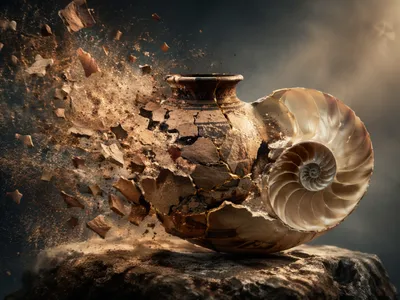
Walter Benjamin’s concept of the aura—the unique presence and historical testimony of a physical artwork—is rendered profoundly problematic by digital creation.
Digital files lack the singular “here and now” that defines traditional art objects, as they are inherently copiable and exist independent of a specific location.
This erosion of aura precipitates a parallel crisis in authenticity. The notion of an original master file is a functional rather than a metaphysical designation, indistinguishable in substance from its perfect copies. Authenticity becomes a matter of cryptographic verification or institutional attribution, not physical uniqueness. Provenance must now track digital certificates and blockchain hashes rather than paint layers and gallery receipts, demanding new frameworks for establishing historical and economic value.
The aesthetic experience is similarly transformed. Encountering a digital work on a personal screen, subject to variable calibration and ambient cnditions, differs radically from the contemplative encounter with a physically anchored object. The aura dissipates into the variable conditions of its reception. This shift forces a reevaluation of core art-historical values:
- ⭐ The authority of the materially stable object
- ⭐ The ritual of pilgrimage to a unique site
- ⭐ The narrative of cumulative historical wear and patina
Algorithmic Curation and Aesthetic Expansion
Digital platforms and social media employ algorithms to filter, recommend, and distribute artistic content. This automated curation supplants the traditional roles of critic, gallerist, and museum curator with data-driven systems.
Generative art, neural network creations, and complex simulations produce forms and patterns that are algorithmically conceived, challenging human-centric definitions of creativity and beauty. The aesthetic is no longer bounded by the artist's physical skill or imagination but by the computational parameters and data sets they engage with. This results in a new aesthetic paradigm rooted in complexity, emergence, and computational logic.
The democratization of powerful creative software has also flattened traditional hierarchies of artistic training, allowing for a surge of amateur production that further challenges institutional gatekeeping. The very definition of what constitutes art is continually tested by internet-native forms like memes and digital folk art, which thrive on replication and mutation within networked ecosystems. This environment prioritizes velocity, remix culture, and communal authorship, presenting a stark contrast to the slow, object-focused valuation systems of the traditional art world.